

A Nose Velvet and Curious, From the series “Horsedreamer”
If you weren’t a photographer, what other profession would you pick?
What a great question. I’d probably be some kind of caretaker of animals. The little girl in me always dreamed of running away with the circus and performing with the horses. Does that count?
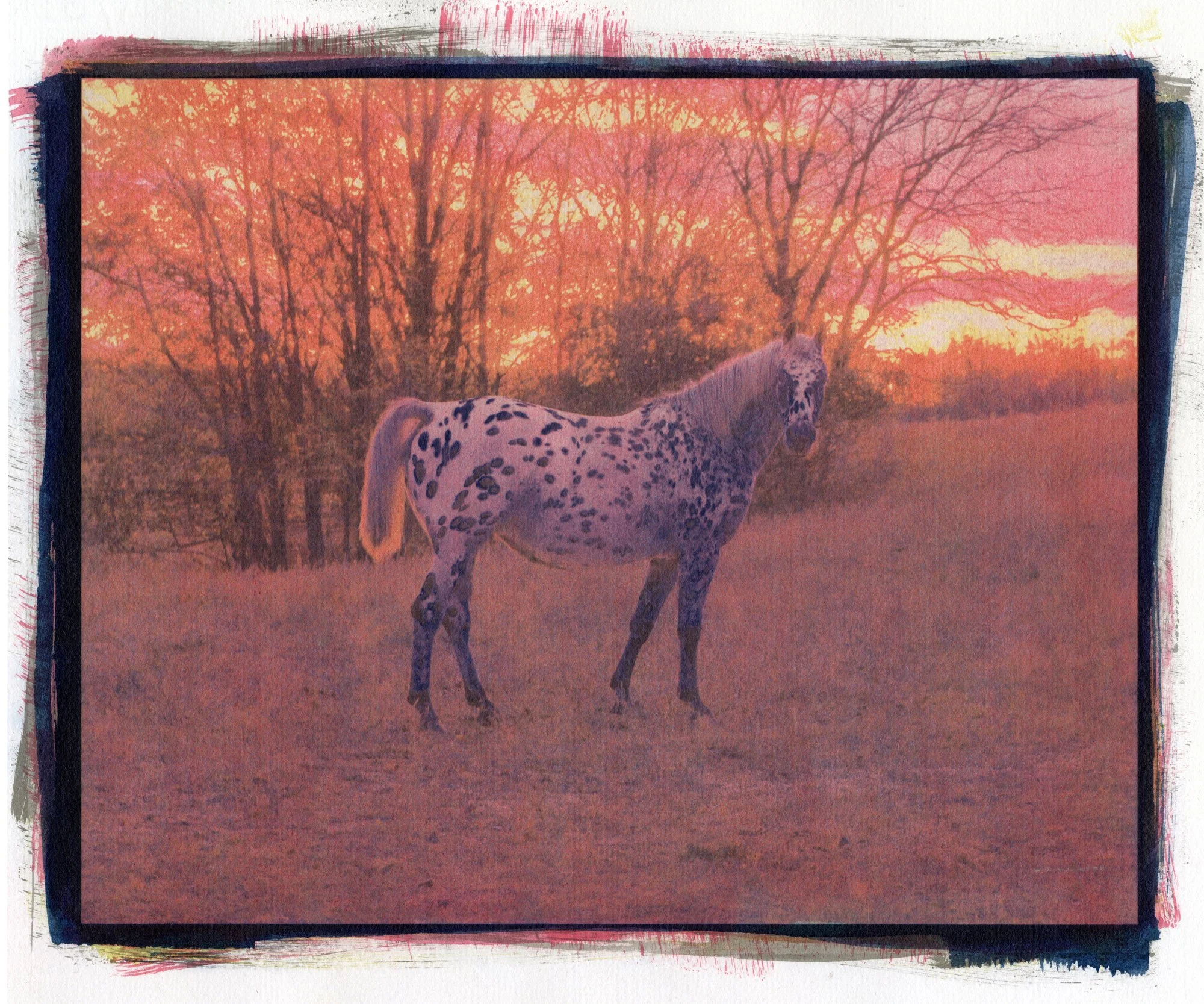
tango sunrise, From the series “Horsedreamer”
WHAT HAS BEEN THE MOST CRUCIAL DECISION YOU HAVE MADE IN YOUR CAREER’s DEVELOPMENT?
The most crucial decision I’ve made in my career was to ignore my inner critic and set aside my ego as much as possible. I struggled for a long time with confidence and doubting whether I was good enough. The moment I was able to demystify what it meant to be a photographer, everything seemed to fall into place like a domino effect.
HOW IMPORTANT IS RESEARCH IN YOUR WORK?
Very important! Research is just as enjoyable to me as making the work itself. I think of it like being a detective — gathering seemingly disparate pieces and discovering the connections between them. It’s a process of curiosity and exploration that feels deeply rewarding and shapes the work in meaningful ways.
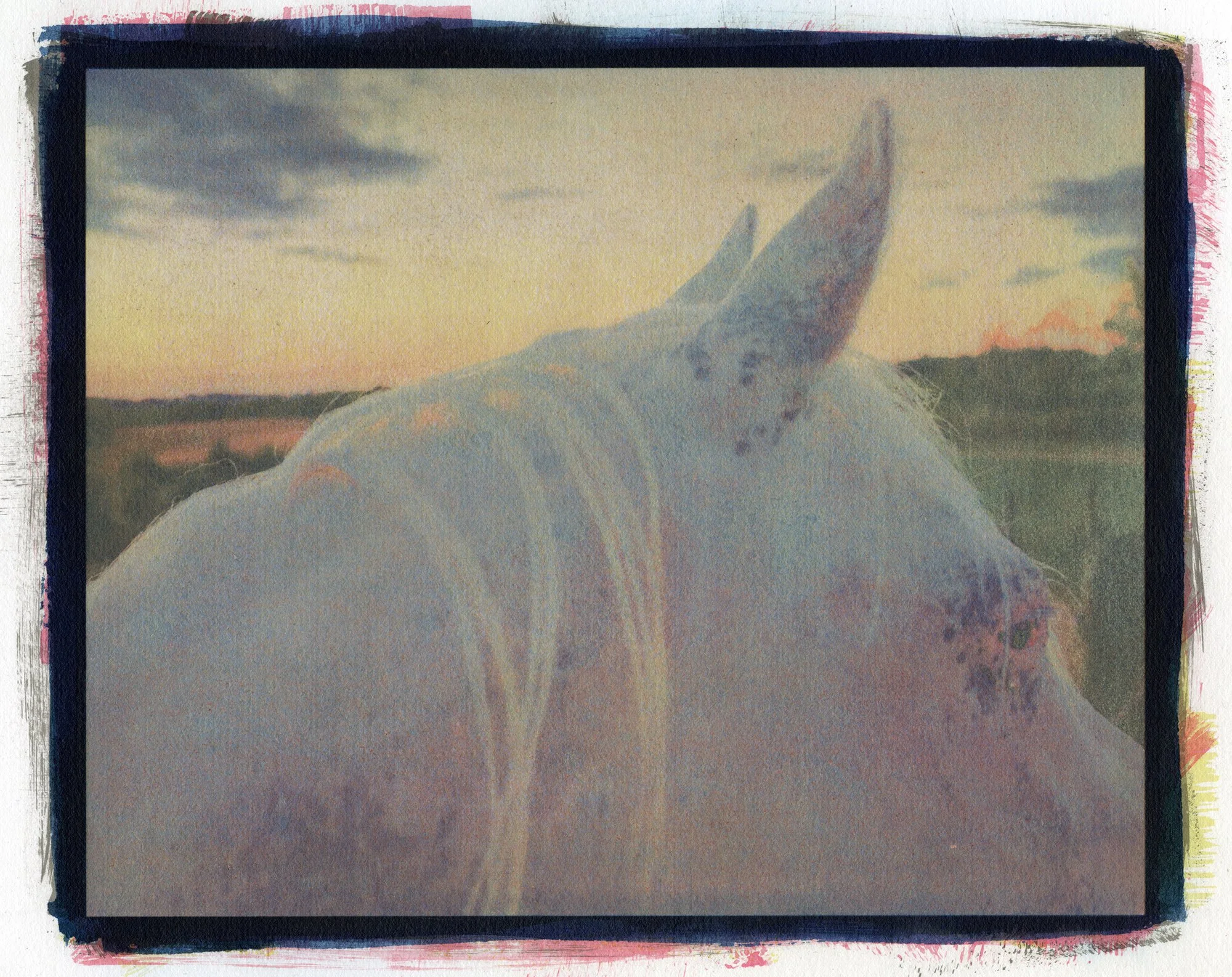
Kween of Dreams, From the series “Horsedreamer”
IS THERE A PHOTOGRAPHER/ARTIST WHO IS A CONSTANT REFERENCE FOR YOU?
There are so many photographers who influence me that it’s hard to narrow it down and most of them are probably the obvious choices! Robert Adams and William Eggleston have been the most influential to my photographic thinking. But to be a bit less predictable, I’d also highlight someone I lovingly call my “Photo Dad,” Guy Mendes, a photographer based in Lexington, KY. His work combines the qualities I admire in both Adams and Eggleston: it’s sensitive, quiet, and graceful, yet never without humor or a sense of wonder. That balance is something I continually strive for in my own work.
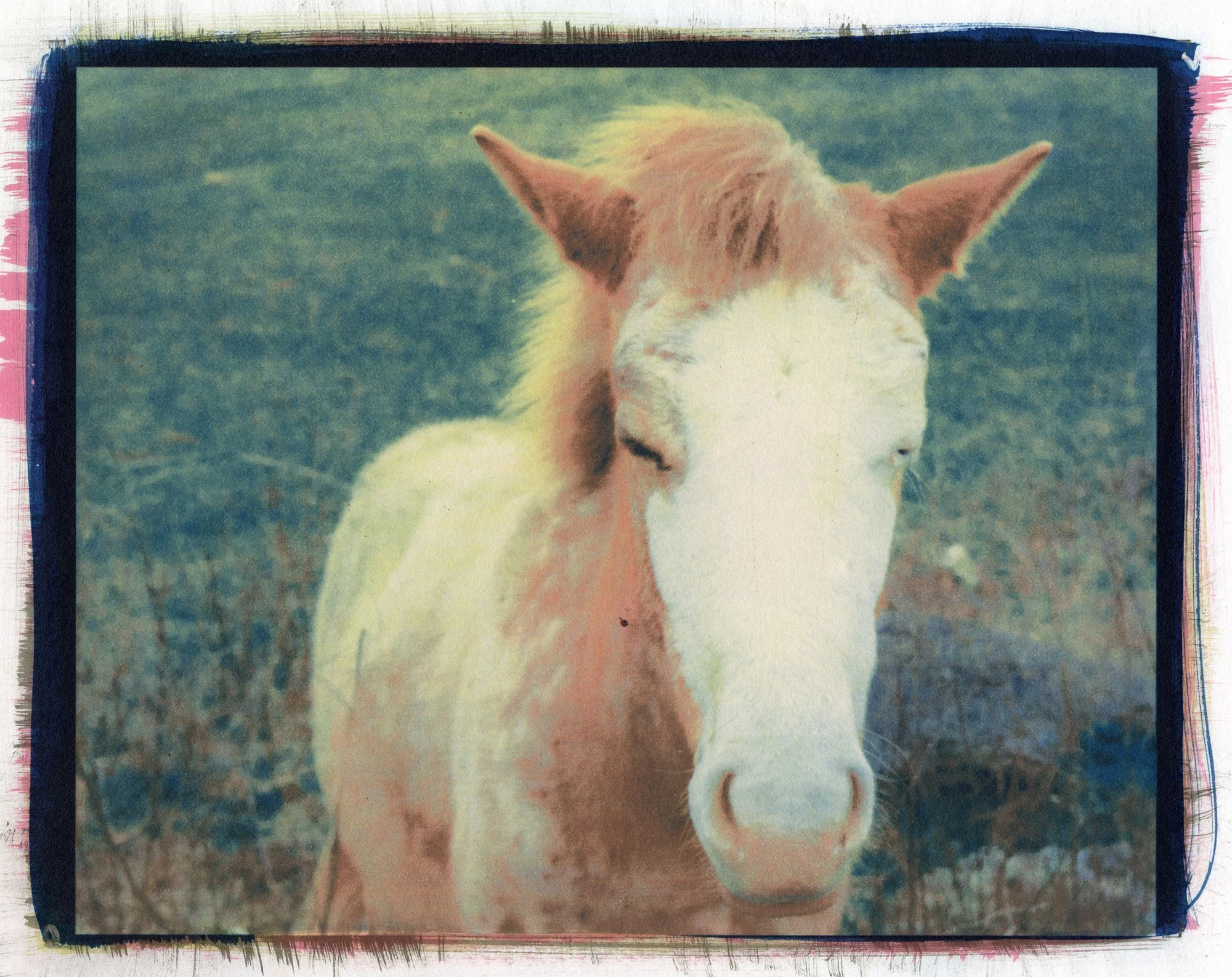
strawberry shortcake, From the series “Horsedreamer”
WHAT WOULD YOU NOT WANT TO PHOTOGRAPH?
I tend to avoid photographing situations where there’s an imbalance of power. If the process isn’t collaborative, I’m not interested. Photographing people, in particular, feels especially difficult because I’ve never been able to reconcile the constant triangulation of perception: how someone sees themselves, how I see them, and how an audience might see them. That weight feels heavy to carry, and meaning is so slippery—it shifts unexpectedly, sometimes in ways I can’t control. My heart isn’t prepared for that. And if someone asked me to wander a city and attempt street photography, I’m fairly certain I’d break out in hives.
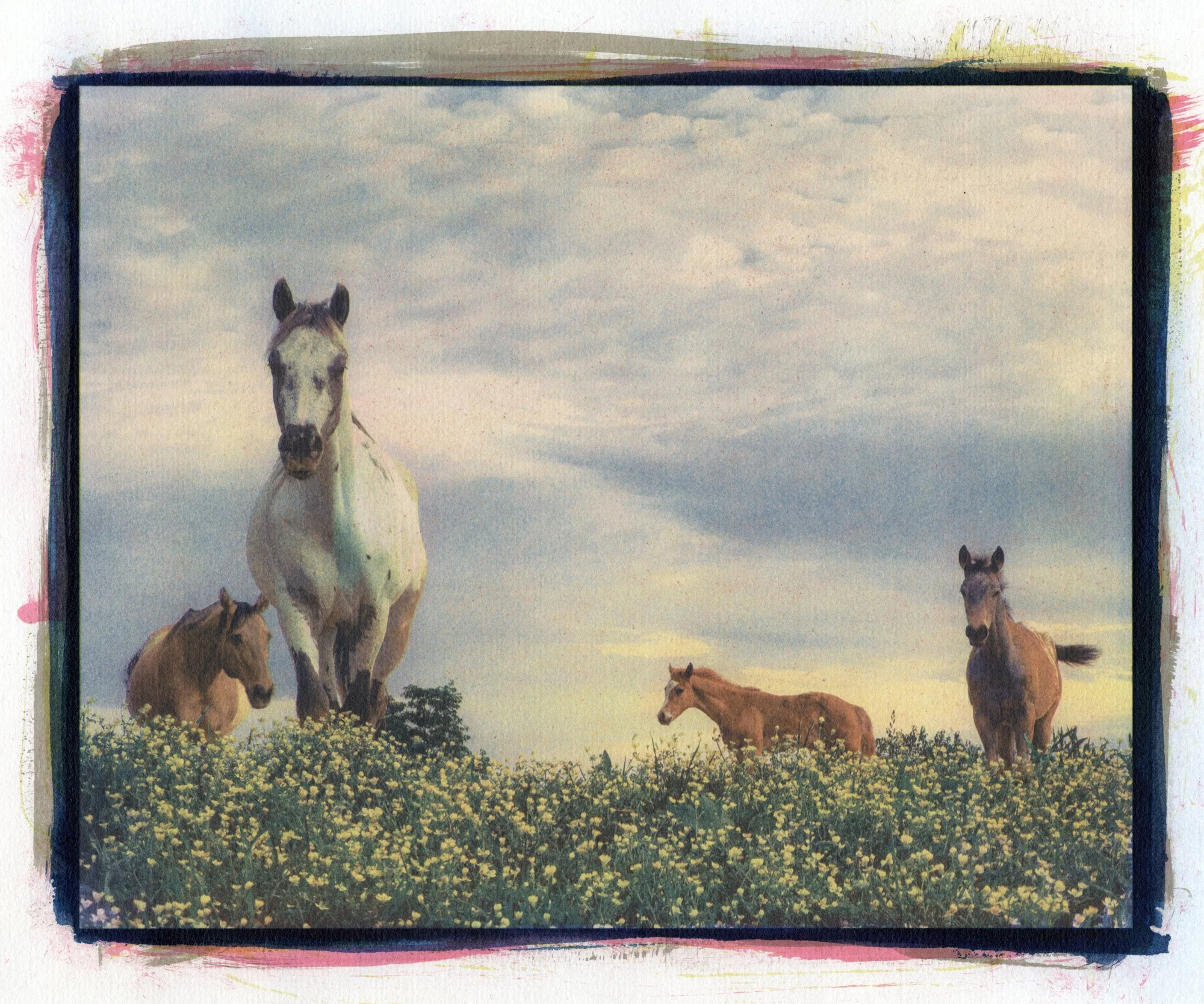
heading home, From the series “Horsedreamer”
WHAT EQUIPMENT DO YOU USE, AND WHAT IMPORTANCE DO YOU GIVE TO TECHNIQUE?
I use different equipment for different projects. I wish I could shoot film exclusively, but budgets don’t always allow it. My favorite camera is my Mamiya RB — it slows me down and makes me focus. When I want to be looser and more fluid, I turn to my Fuji XT5, which behaves like a film camera and produces colors I love. No single camera fits all my moods or modes, so I enjoy combining formats. Technique matters, but it’s ultimately about using the tools that best serve the idea and having the skill to realize it.
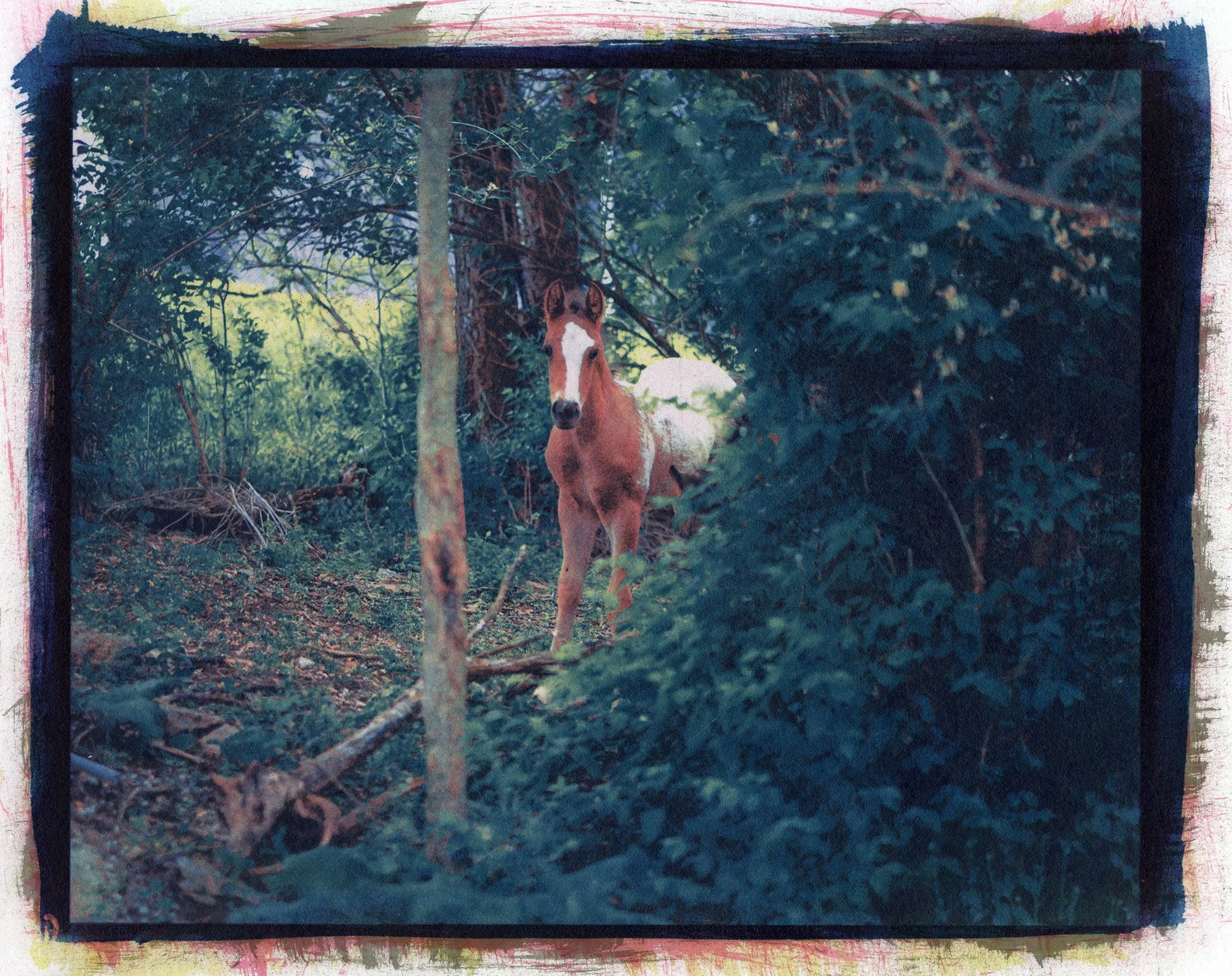
Apollo, From the series “Horsedreamer”
WHAT IS THE STARTING POINT OF YOUR CREATIVE PROCESS?
My process usually begins with wandering — following intuition and documenting the world around me. This meandering lets the work, and what I’m truly exploring, reveal itself. Once I have a sense of direction, I dive into research and reading to shape the work more deliberately.
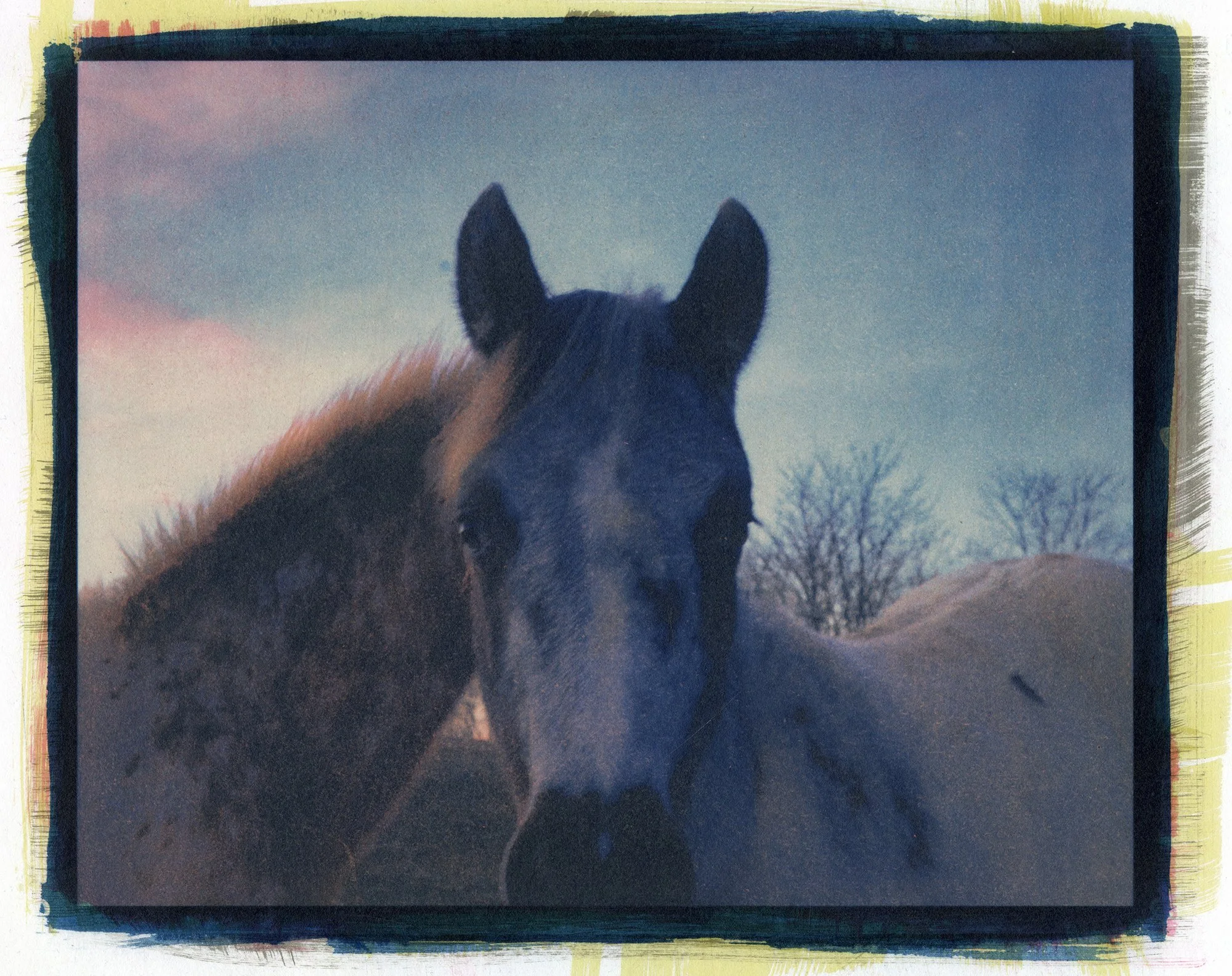
Macarena and shortcake, From the series “Horsedreamer”
HOW DO YOU DEFINE YOUR PHOTOGRAPHY WITH a #tag
I often tag my work with #aimlessdocumentary. My process usually begins with following intuition sometimes for a long stretch simply documenting what’s around me without a clear destination. Over time, patterns start to reveal themselves, and that’s when I can begin to shape the work more deliberately. But at its core, my practice often starts with this aimless kind of looking, letting meaning emerge slowly and unexpectedly.
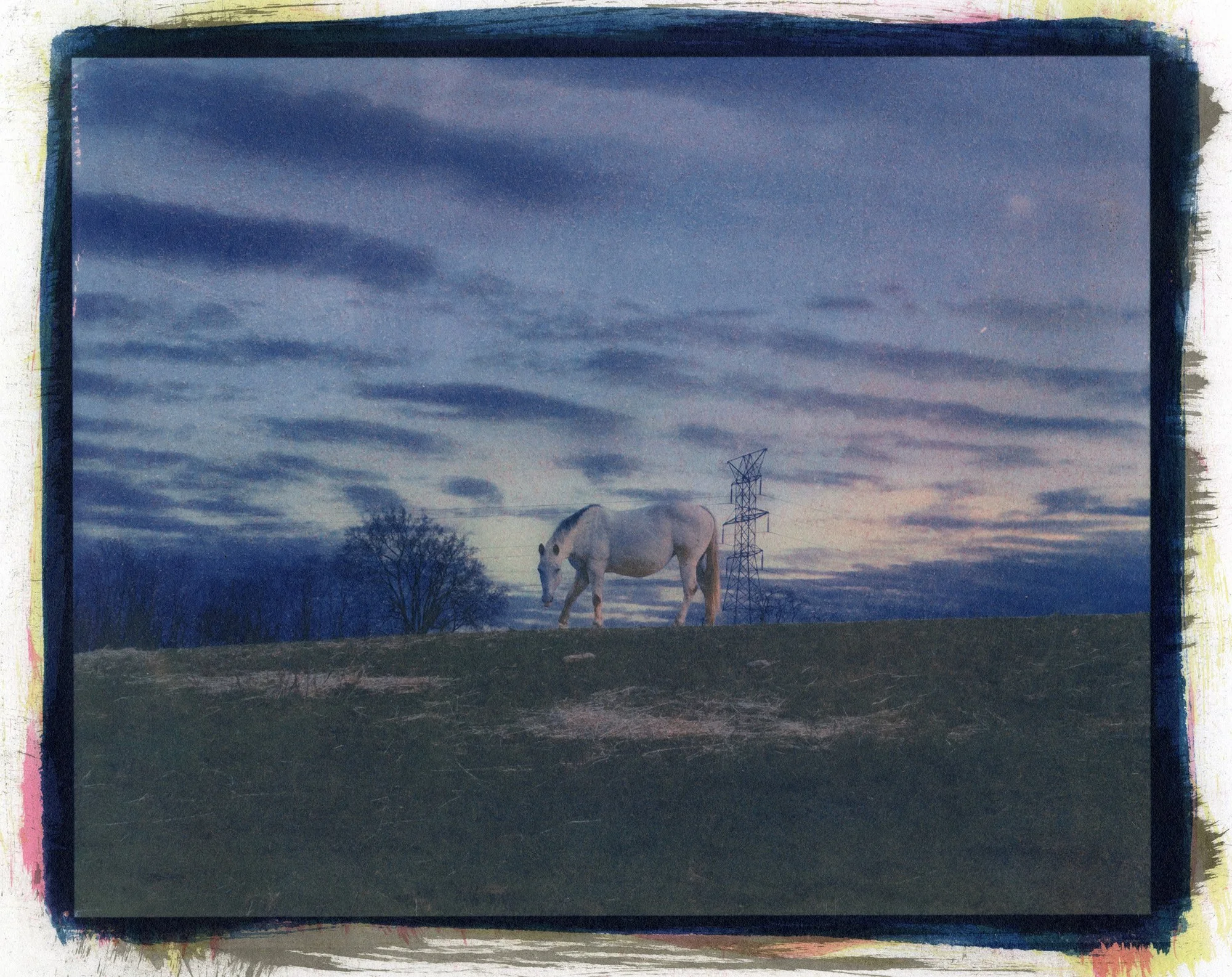
the dream begins, From the series “Horsedreamer”
at what point did you feel you were a photographer, and what made you think that way?
For me, believing I was a photographer was a gradual process. I struggled with confidence for a long time. When friends introduced me as a photographer, I would bristle, thinking I didn’t have the right to call myself that because I wasn’t doing it full time. I had to do a lot of work untangling my thoughts around labor, worth, and validation. Eventually, I woke up one day and that uncomfortable feeling had disappeared. I think a big part of that shift came from moving back to my hometown of Lexington, KY, and connecting/reconnecting with the artistic community there.
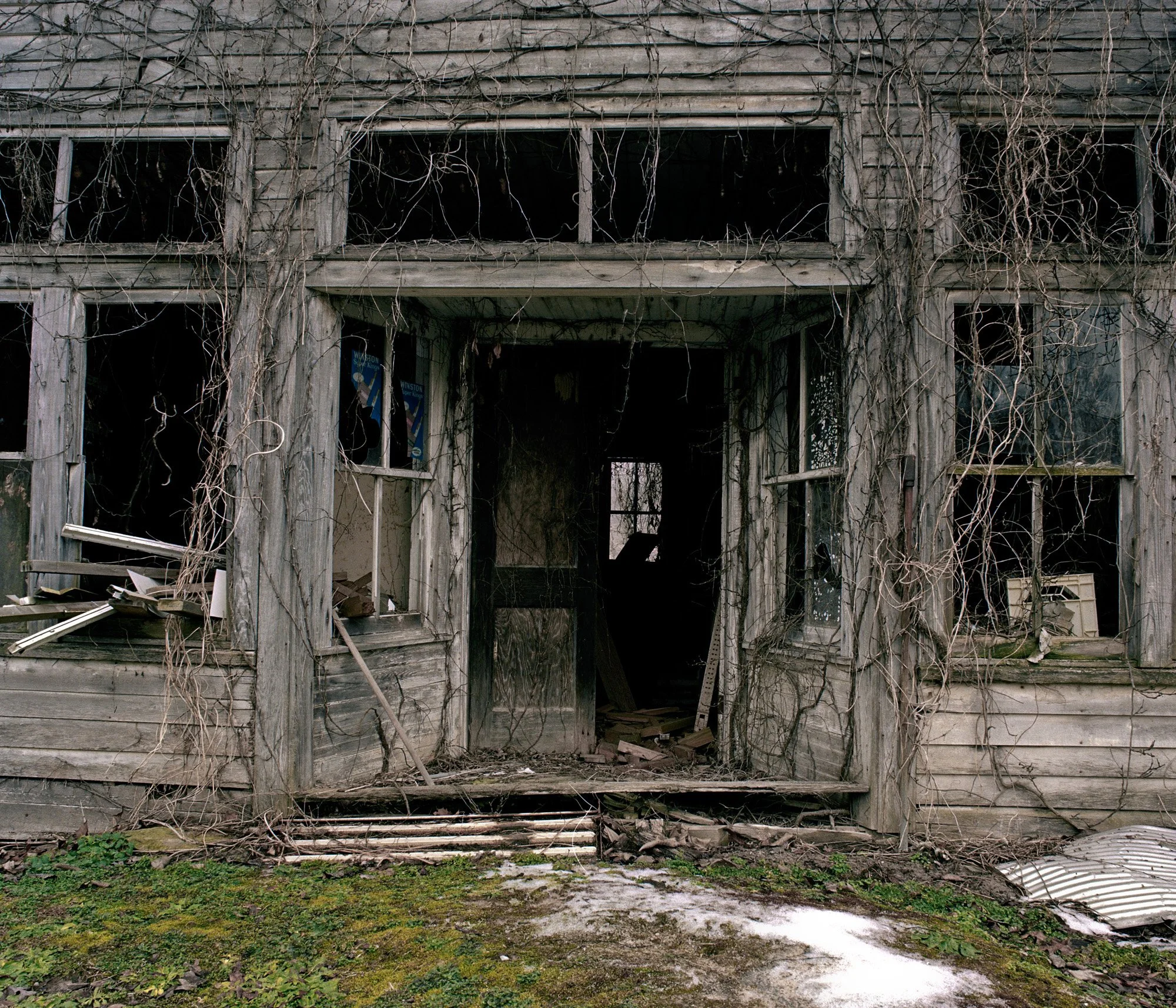
From the series “A Music So Subtle”
HOW DO YOU DEAL WITH REJECTION?
Rejections are such a natural part of the process that they hardly faze me anymore. I usually put them out of my mind and focus on seeking new opportunities. To me, a rejection just means I haven’t landed in the right place yet — it doesn’t change the work or my path.
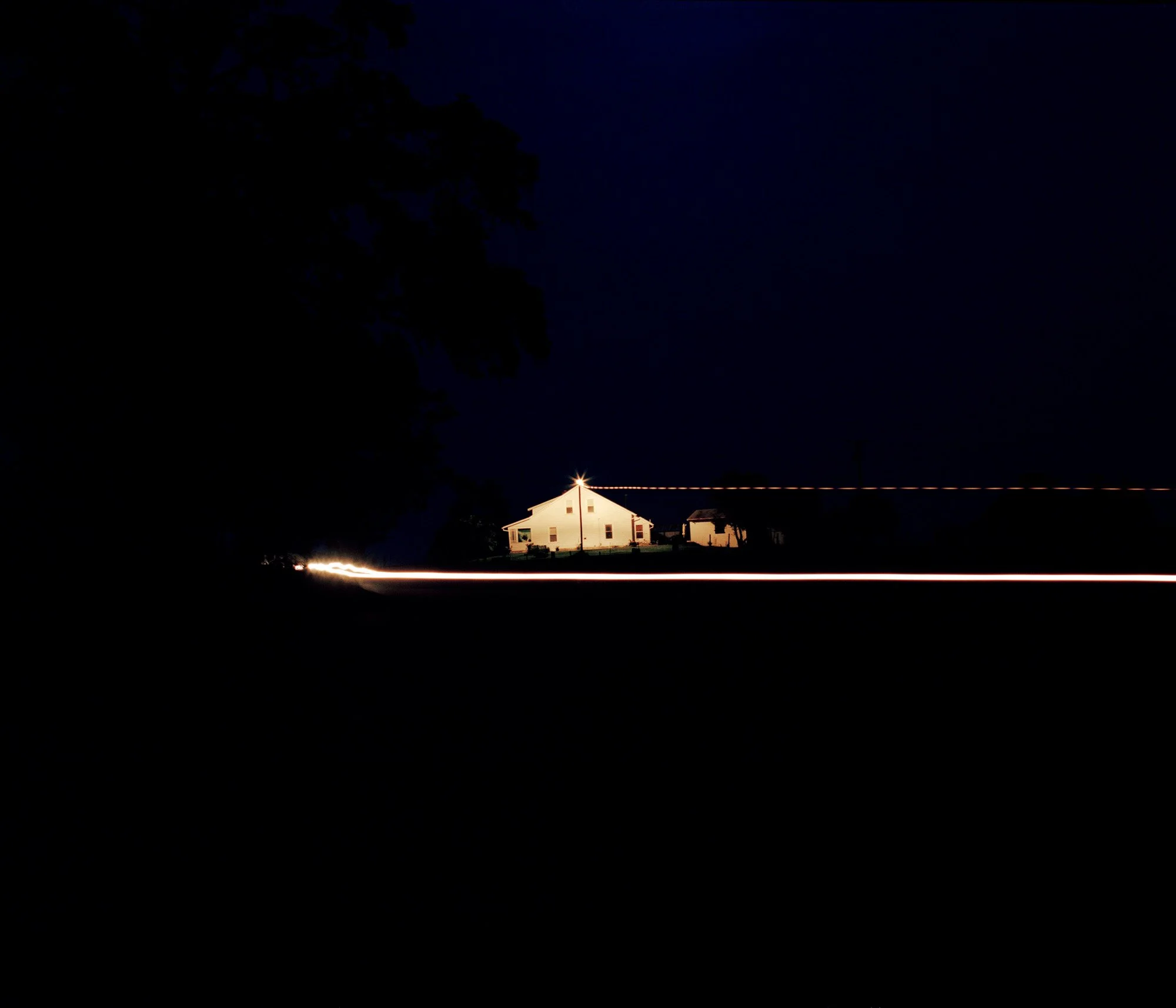
From the series “A Music So Subtle”
HOW DO YOU THINK YOU HAVE ACCOMPLISHED SUCH SUCCESS?
I’m beyond grateful that I get to scratch my creative itch and have it resonate with others. For me, success isn’t a fixed point — there’s always room for growth, refinement, and discovery. I’ve tried to stay true to myself and resist conforming to photographic trends, which has meant playing the long game. Along the way, I’ve stumbled plenty, but I’ve also used my younger self as a kind of barometer. She was so steadfast in her convictions. When I ask myself if she would still be proud of me, I believe the answer is yes and that feels like the truest measure of success.
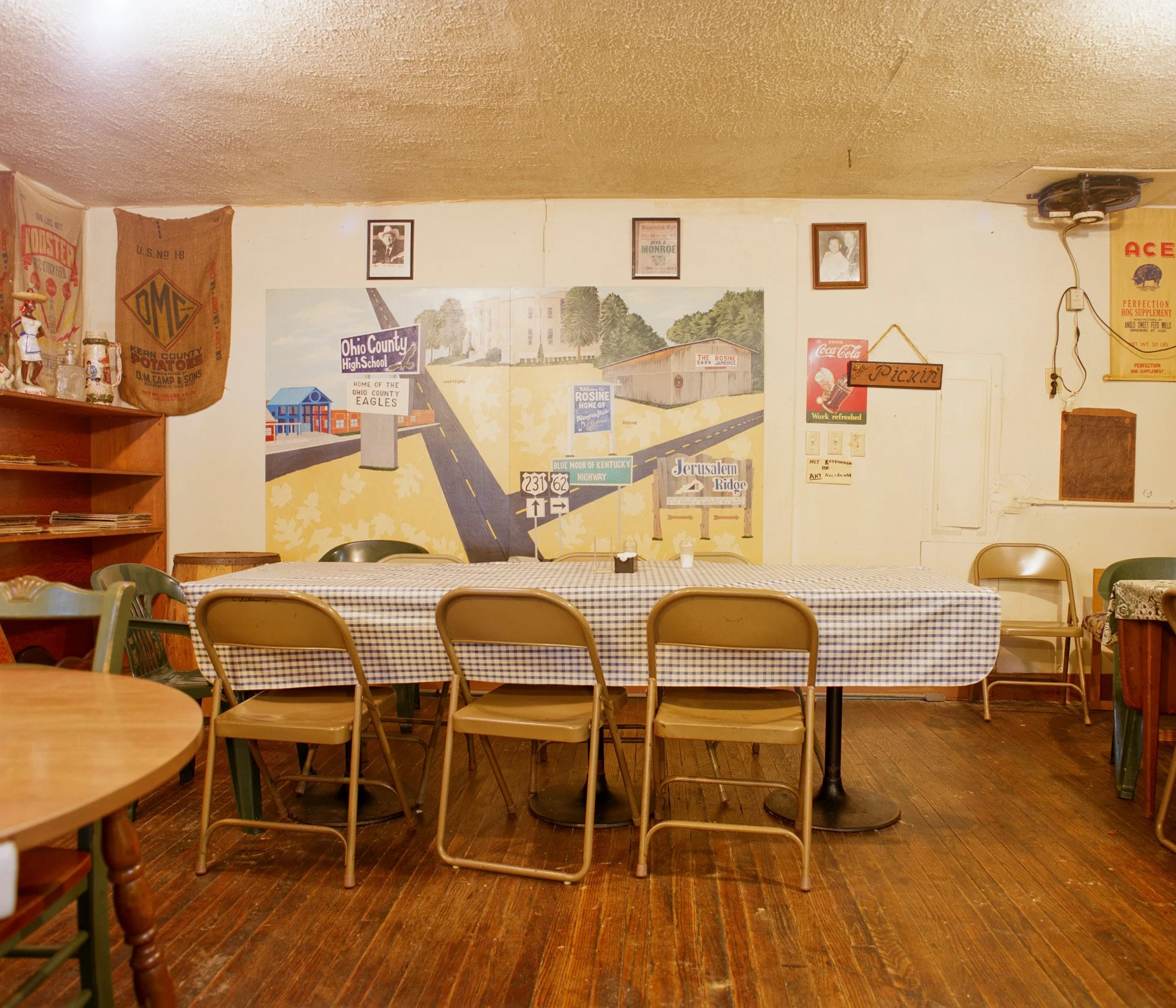
From the series “A Music So Subtle”
HOW DO YOU APPROACH STRANGERS IN YOUR PROJECTS OR TO INCLUDE IN YOUR PROJECTS?
I rarely approach strangers directly — it makes me deeply uncomfortable, and no matter how much I’ve tried to push through that, something at my core just refuses to cooperate. Instead, the only way it really happens is through time: getting to know someone, building trust, and eventually including them in the work if it feels right. On one occasion, I reached out to someone in writing and we developed a friendship. I’ve been working with her land for some time now, though I haven’t photographed her yet, I imagine that day will come. I suppose I like playing the long game.
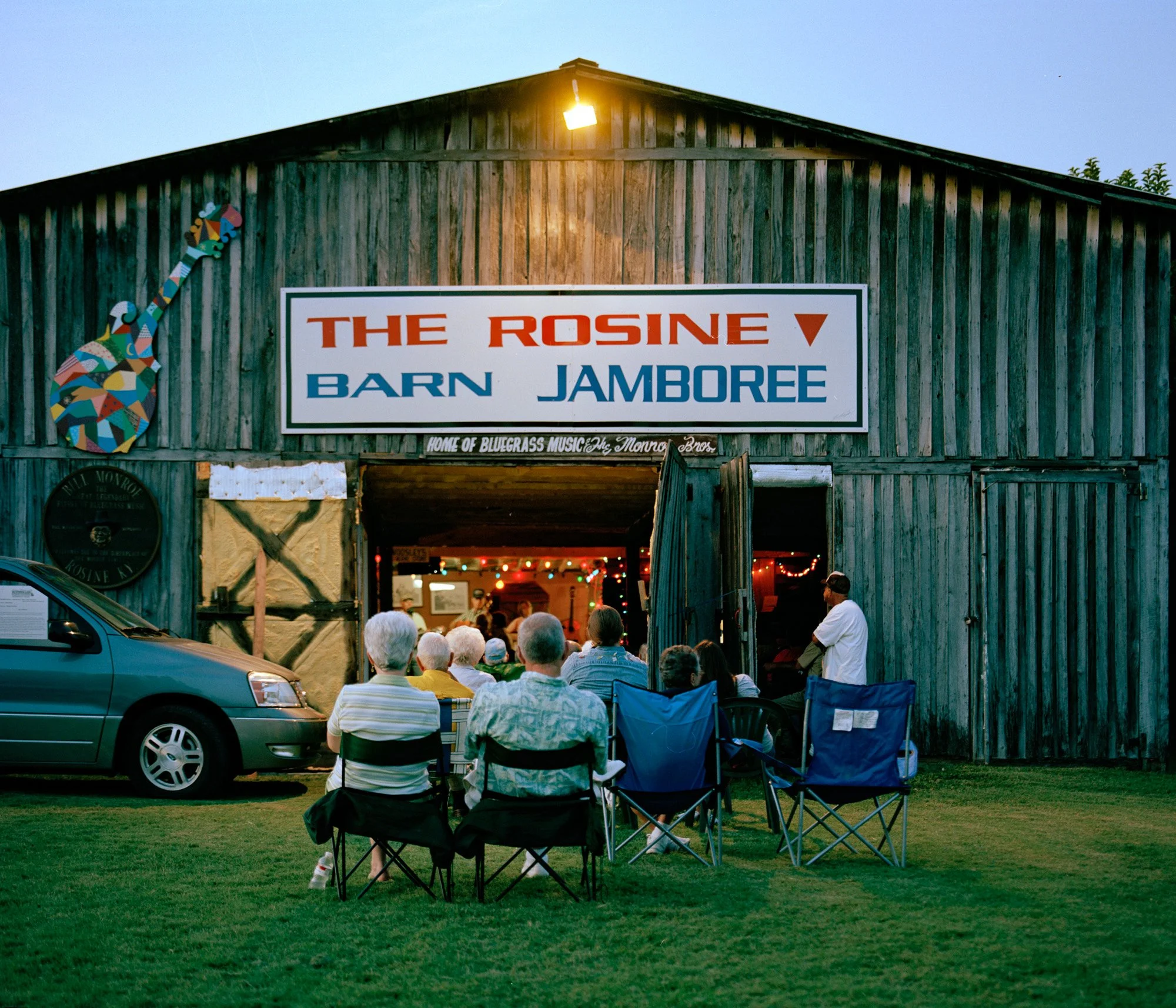
From the series “A Music So Subtle”
IS IT COMMON FOR YOU TO QUESTION YOURSELF OR YOUR PHOTOGRAPHY?
Absolutely. Like many artists, I wrestle with imposter syndrome. I sometimes wish I were one of those confident, self-assured artists who move through the world with ease — but that’s not me. In recent years, though, I’ve worked hard to focus on my own strengths rather than dwell on my weaknesses. I’ve come to accept that I’m a very particular recipe of things, and that comparison is a fool’s errand. Age has helped with this perspective. I’m learning to embrace who I am instead of knocking myself down, and it’s been a liberating shift in both heart and mind. My work is stronger for it.
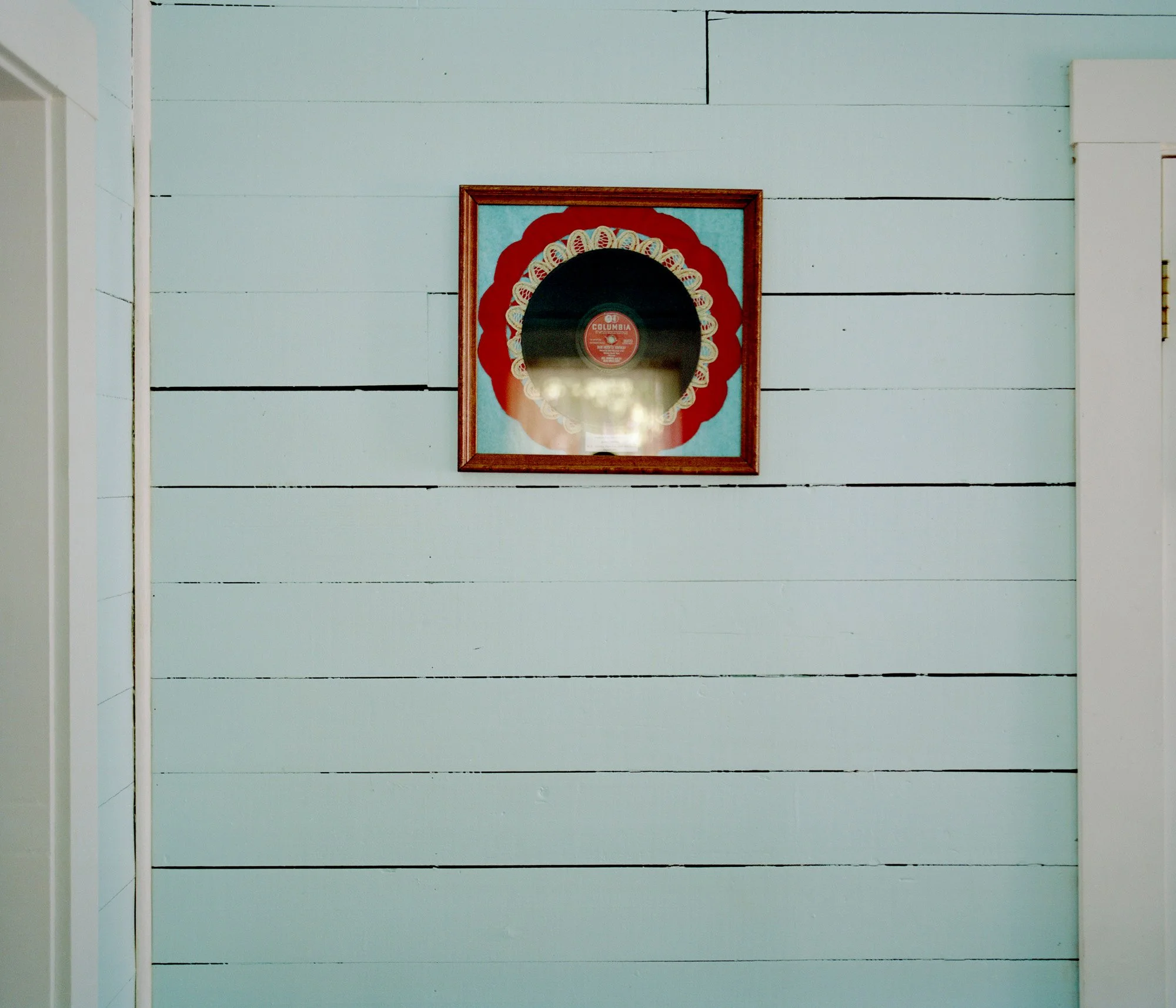
From the series “A Music So Subtle”
What does it mean to you to be a woman photographer? How has it affected your projects? And your approach to the art world/photo-book world?
I’d love to say that gender doesn’t affect my photography, but that just isn’t true. I often worry about being alone in the middle of nowhere which is where I’m happiest making work. Being the daughter of a police officer probably amplified that sense of danger, I often bring at least one dog along as a kind of companion and protection. I deeply admire people who can go wherever they want, whenever they want, without hesitation. For me, it sometimes feels like I’m hardwired to see danger everywhere — it’s a wonder I leave the house at all! As for the art world and the photo-book world, I’m sure gender has shaped those experiences in ways I may not fully see, but I don’t dwell on it. I’ve been fortunate that most of my interactions there have been supportive and positive.
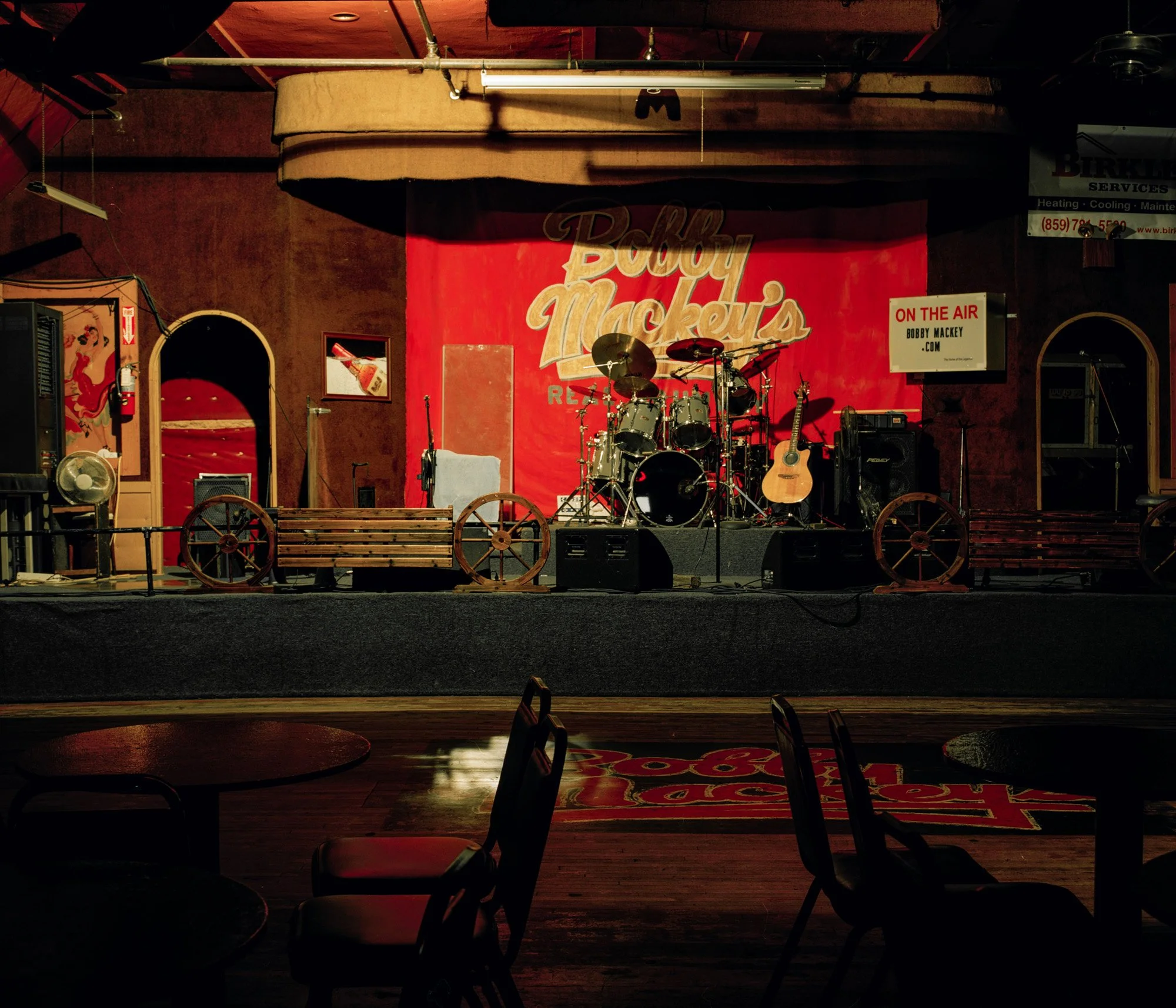
From the series “A Music So Subtle”
WHAT WOULD YOU SAY TO A NEW PHOTOGRAPHER WHO IS JUST STARTING OUT?
Say yes to more things — you learn so much by doing. Take the time to really get to know yourself and what genuinely interests you. You’ll never make your best work if you’re trying to satisfy others; the more personal the work, the more universal it becomes.
It’s also okay to care for yourself, your life, and your family, to put the camera down for a while. You are still an artist even when you’re not actively making work; you’re simply gathering more ingredients for your unique recipe.
And seek out voices and stories beyond your own experience. Books, journalism, and perspectives you wouldn’t normally encounter cultivate empathy and enrich your soul, teaching you things about the world and yourself that you could never learn any other way.
ABOUT carey neal gough
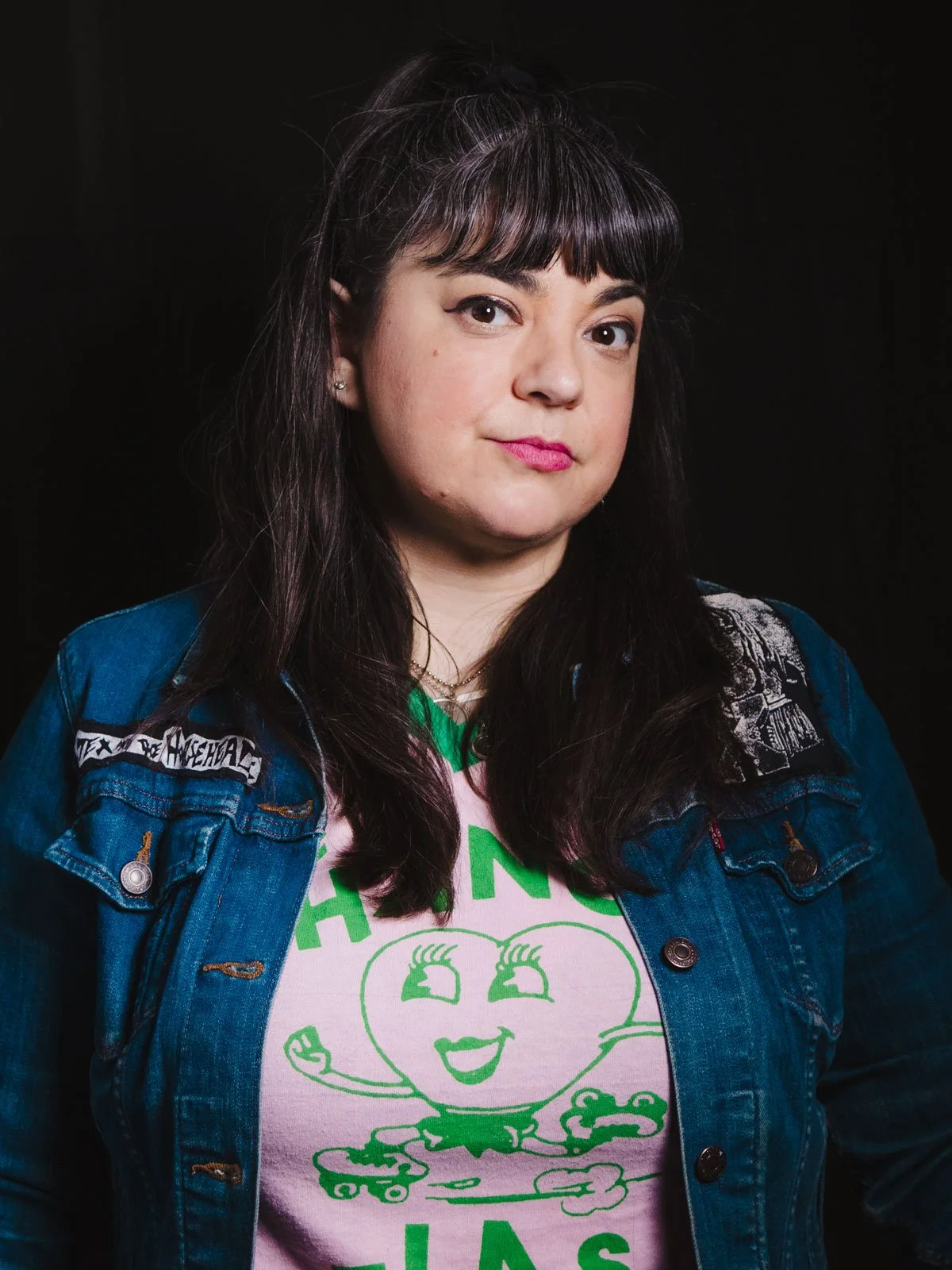
Carey Neal Gough is an American photographer based in Lexington, Kentucky. Her work explores the intersection of the natural world, memory, and emotion. She photographs in places where time, weather, and wildness are the dominant forces. In addition to her freelance practice, she is a part-time instructor at the University of Kentucky.
self portrait
