
PHOTO CONFESSIONAL: YUKA IWAHASHI
光の根 To The Light Of My Roots
If you weren’t a photographer, what other profession would you pick?
I have a wide range of interests, and even if I hadn’t become a photographer, I think I would have been involved in some kind of creative work. Since my mother was a science teacher, I’ve also found researching biology to be fascinating.
That said, when I was a child, my dream job was to become an airplane mechanic…!

光の根 To The Light Of My Roots
WHAT HAS BEEN THE MOST CRUCIAL DECISION YOU HAVE MADE IN YOUR CAREER’s DEVELOPMENT?
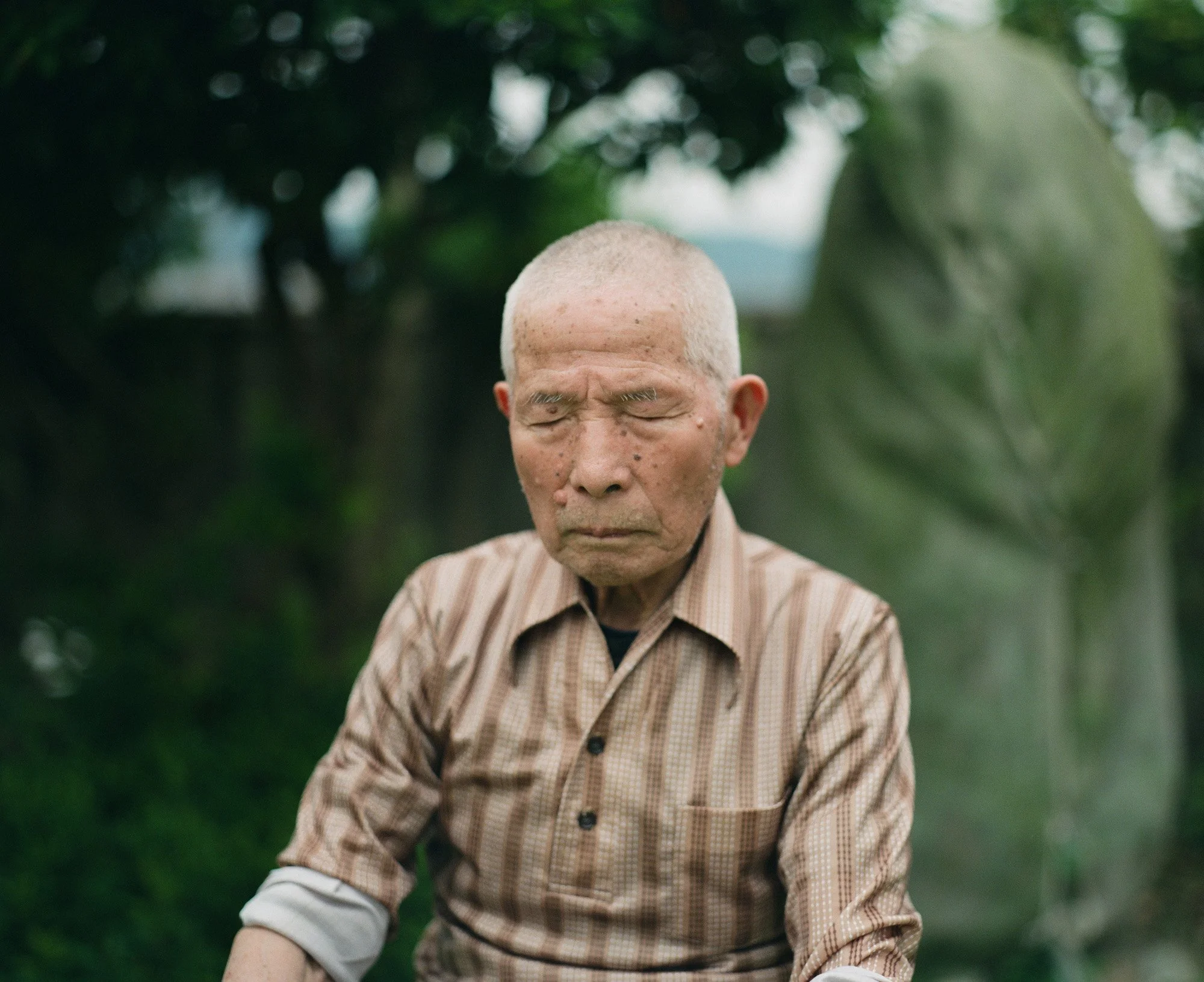
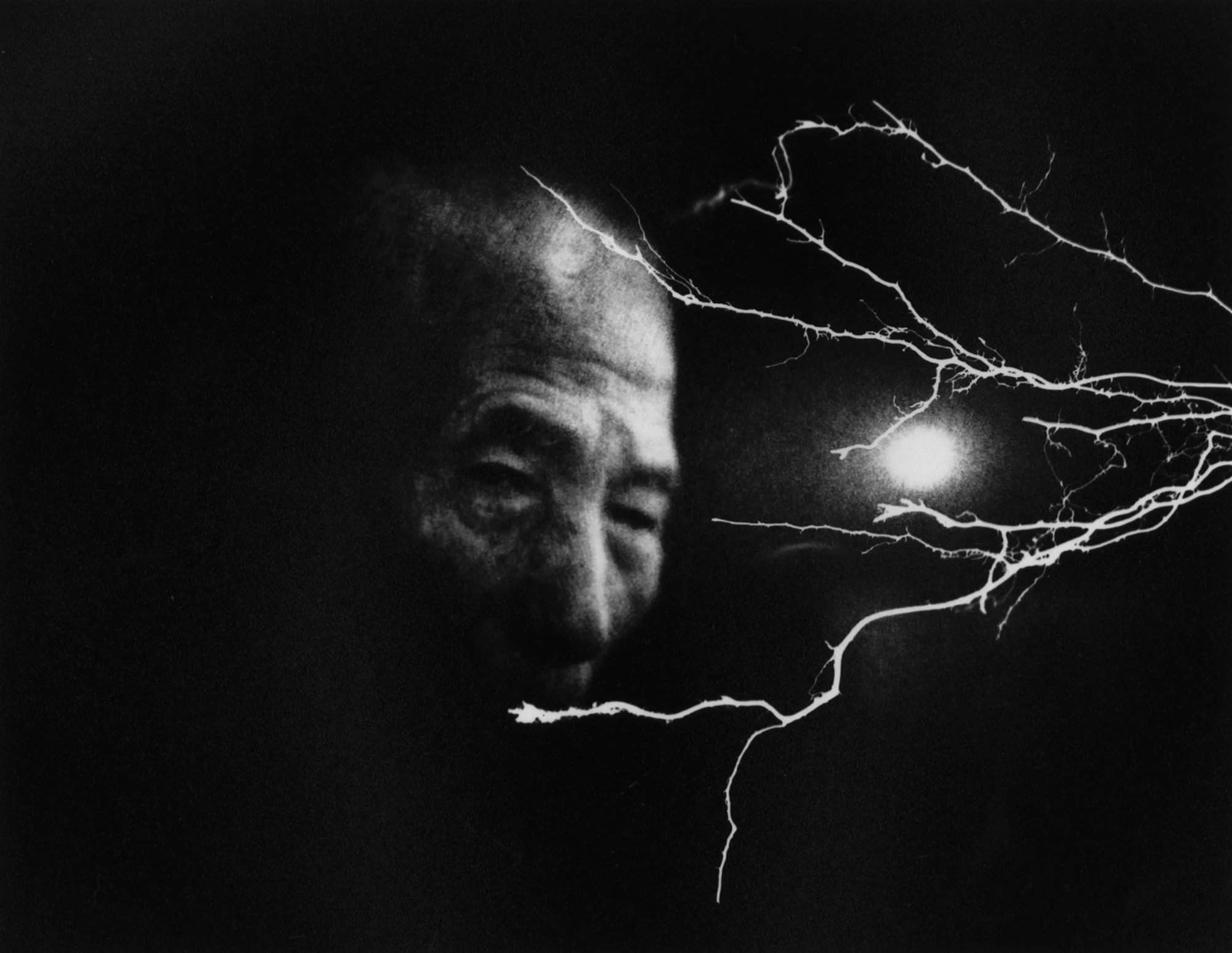
Not only in my career, but also in daily life, I am constantly faced with decisions and choices. Each time, I find myself questioning whether I made the right decision. However, if I were to name one turning point that led me to this path, it was when my grandmother passed away, and I photographed my grandfather gazing at her during the funeral. That experience has been deeply meaningful to me, as it ultimately connects to the series I am currently working on.
HOW IMPORTANT IS RESEARCH IN YOUR WORK?
Research is extremely important to me. Conducting research simultaneously with the creative process broadens my perspective and expands the scope of my work, while also serving as an essential process for reflecting on the core of my practice through exploration and trial and error.
光の根 To The Light Of My Roots
IS THERE A PHOTOGRAPHER/ARTIST WHO IS A CONSTANT REFERENCE FOR YOU?
I deeply respect the novelist Anna Kavan, as well as photographers Anni Leppälä, Lieko Shiga, and Yuri Nagashima. I’m also strongly influenced by cinema, and I often watch the works of Víctor Erice and Kazuhiko Hasegawa.
光の根 To The Light Of My Roots
WHAT WOULD YOU NOT WANT TO PHOTOGRAPH?
I don’t photograph things I don’t feel drawn to. I never force myself to shoot. For me, photographing is not simply about taking pictures; it’s about receiving the gaze of the subject and absorbing the atmosphere and sensations of that moment. I see photography not as a record of a single event, but as an event itself, where multiple perspectives and sensations intersect and overlap across time and space. If that feeling isn’t present, I simply don’t press the shutter.
光の根 To The Light Of My Roots
WHAT EQUIPMENT DO YOU USE, AND WHAT IMPORTANCE DO YOU GIVE TO TECHNIQUE?
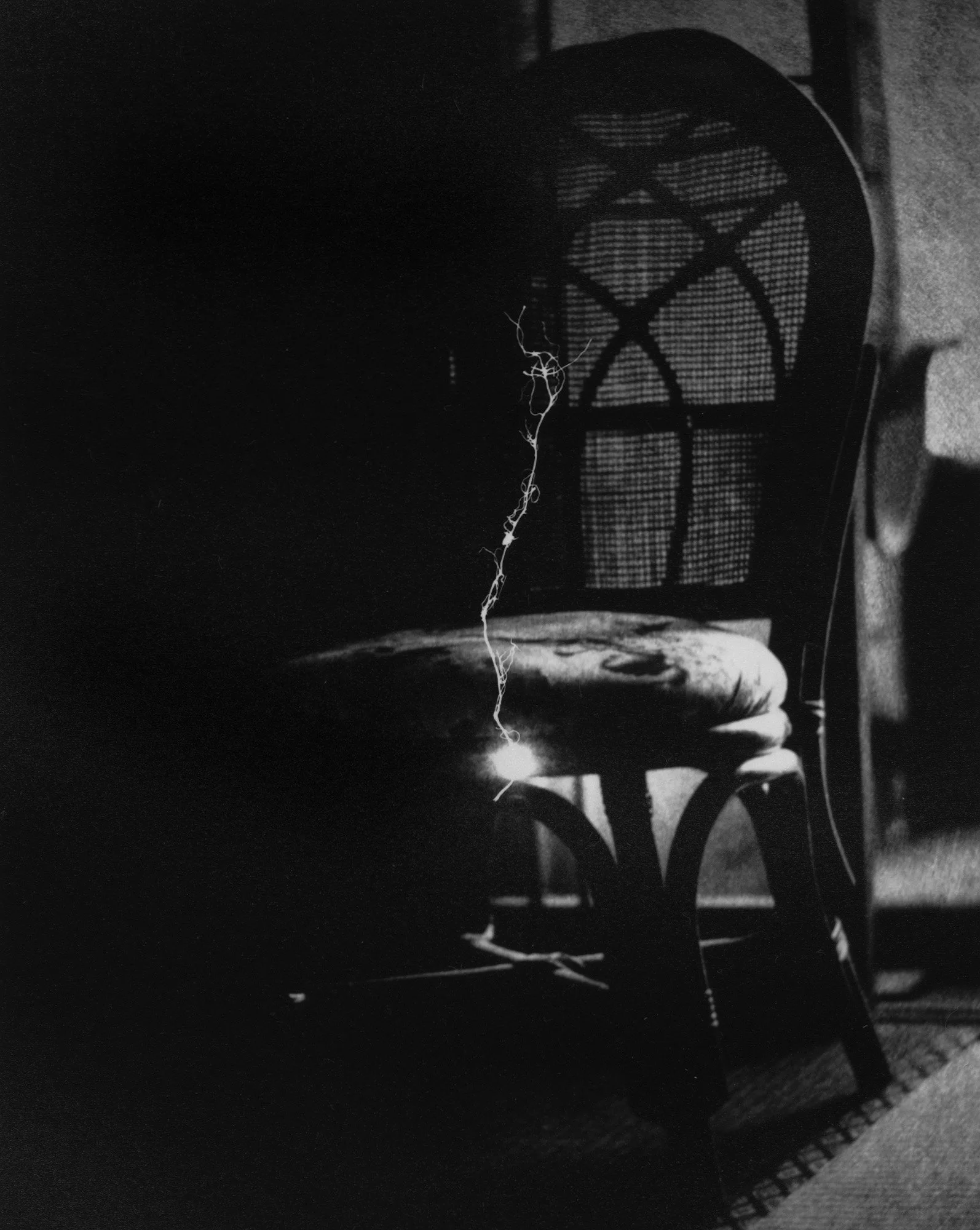
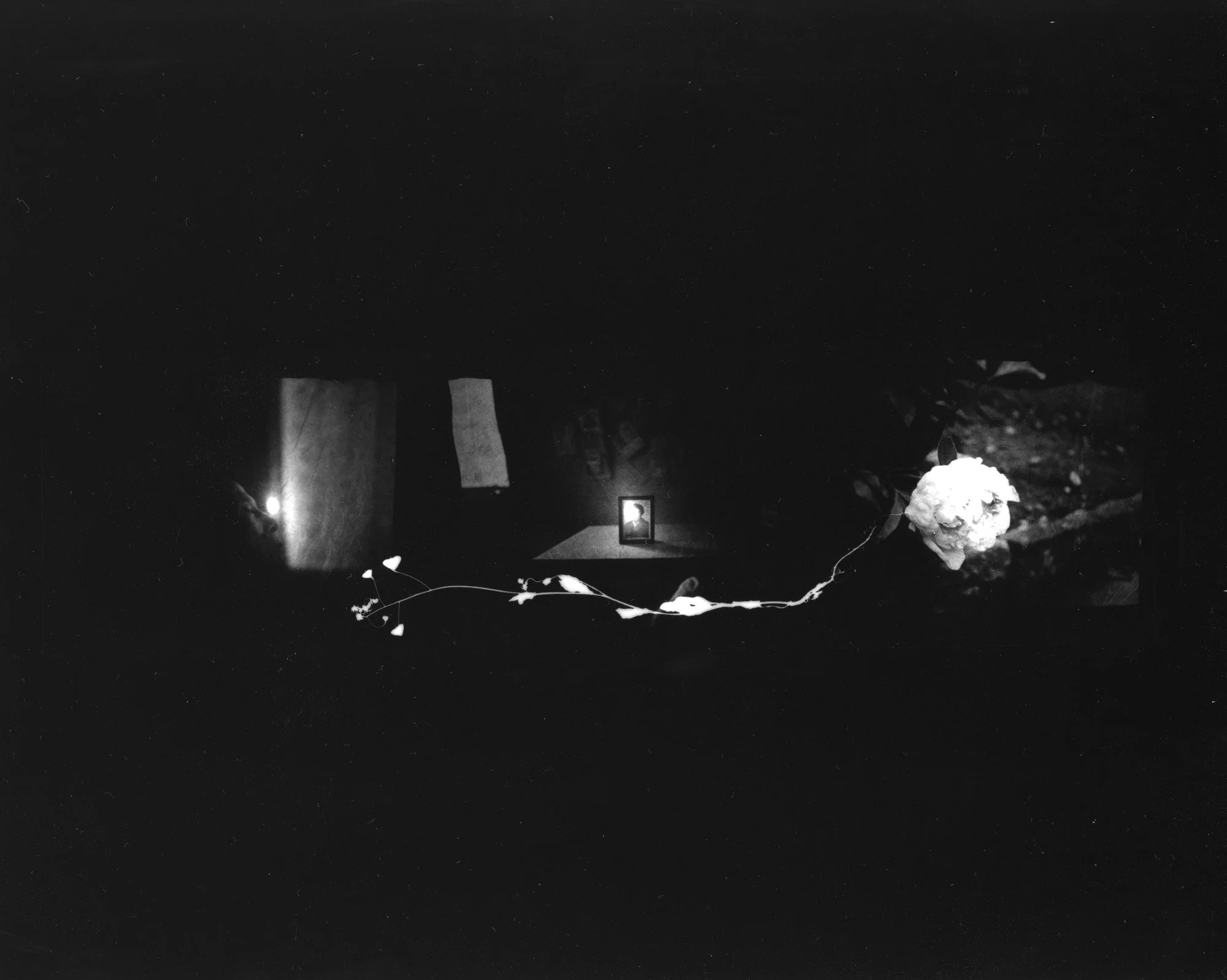
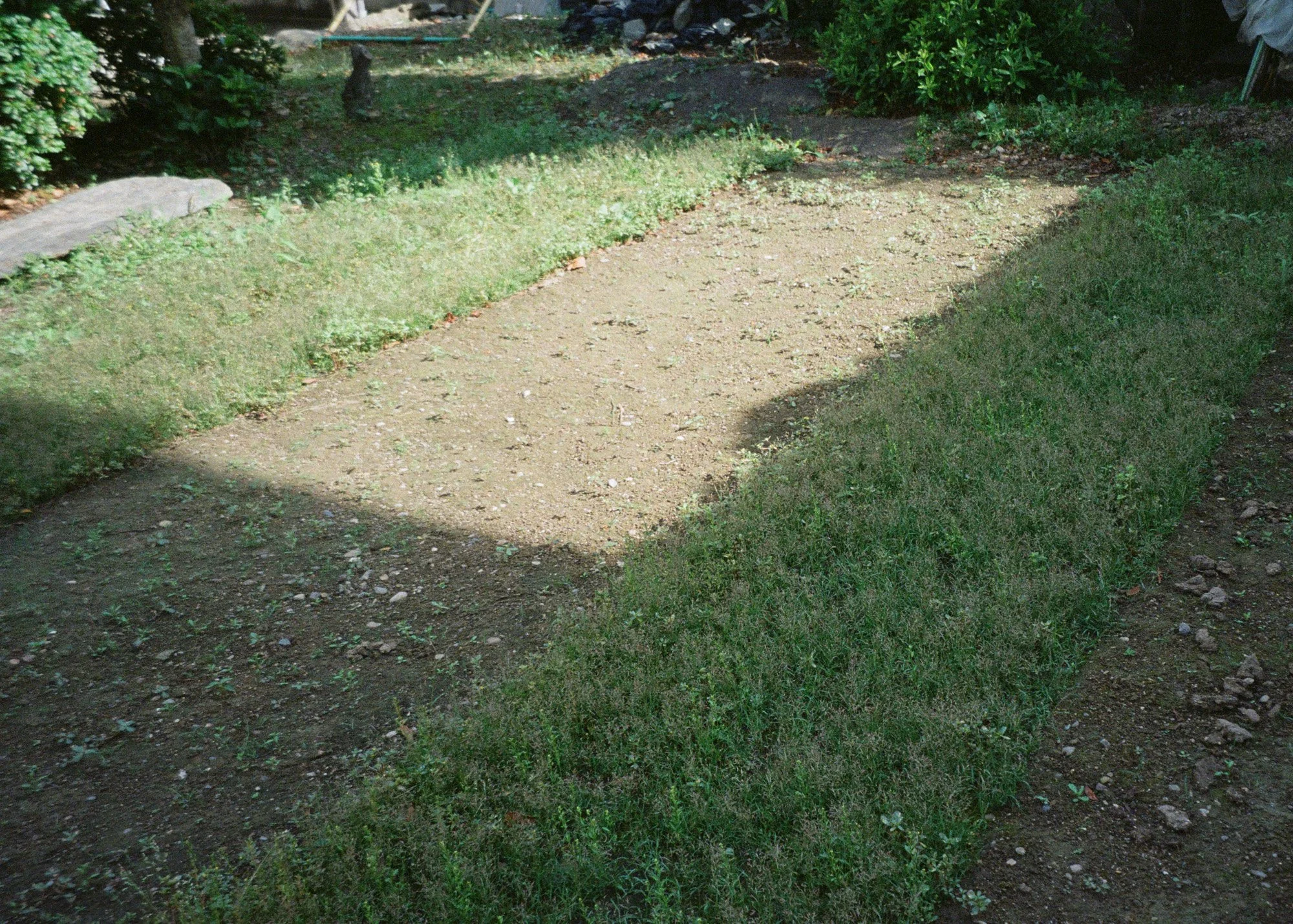
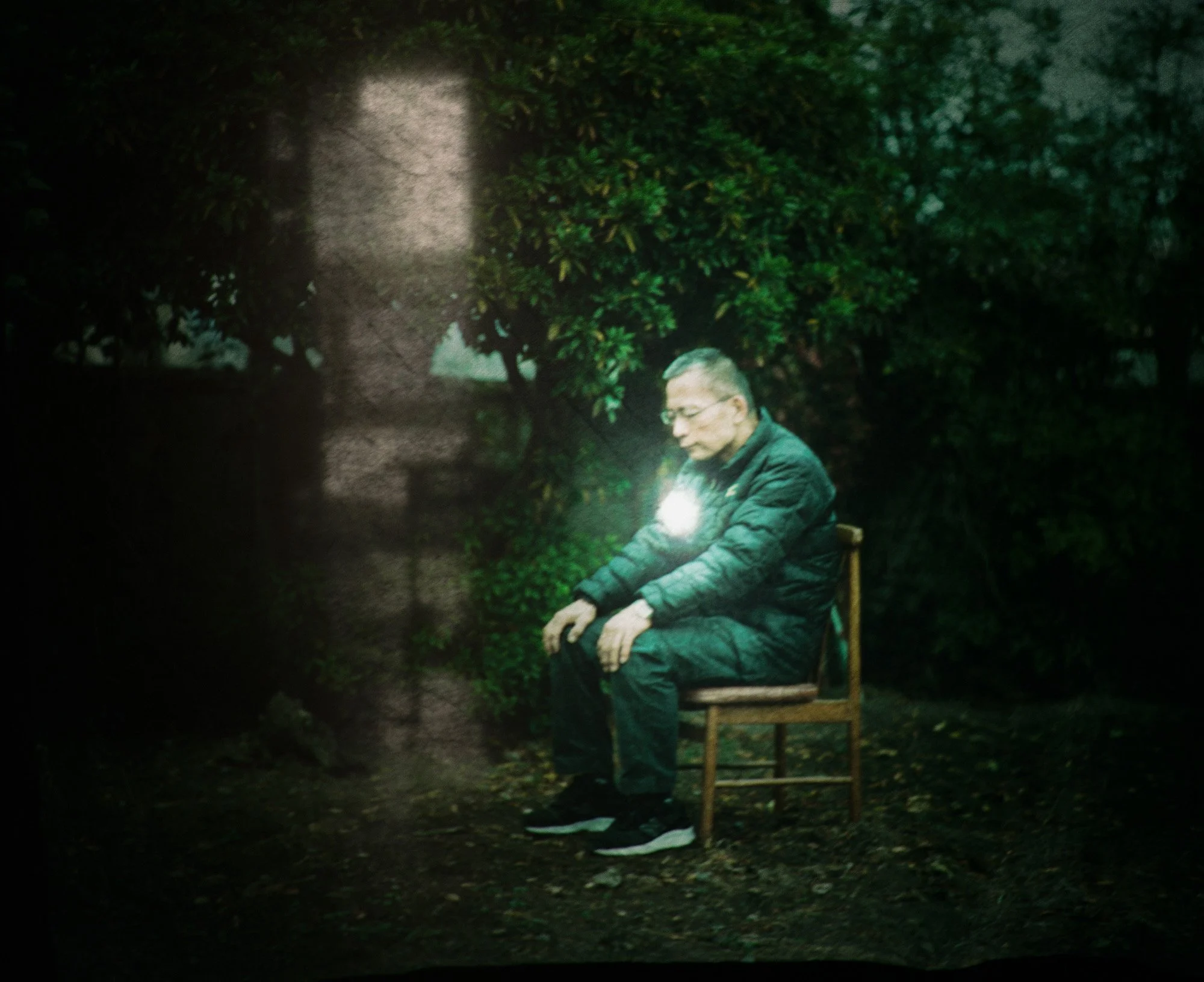
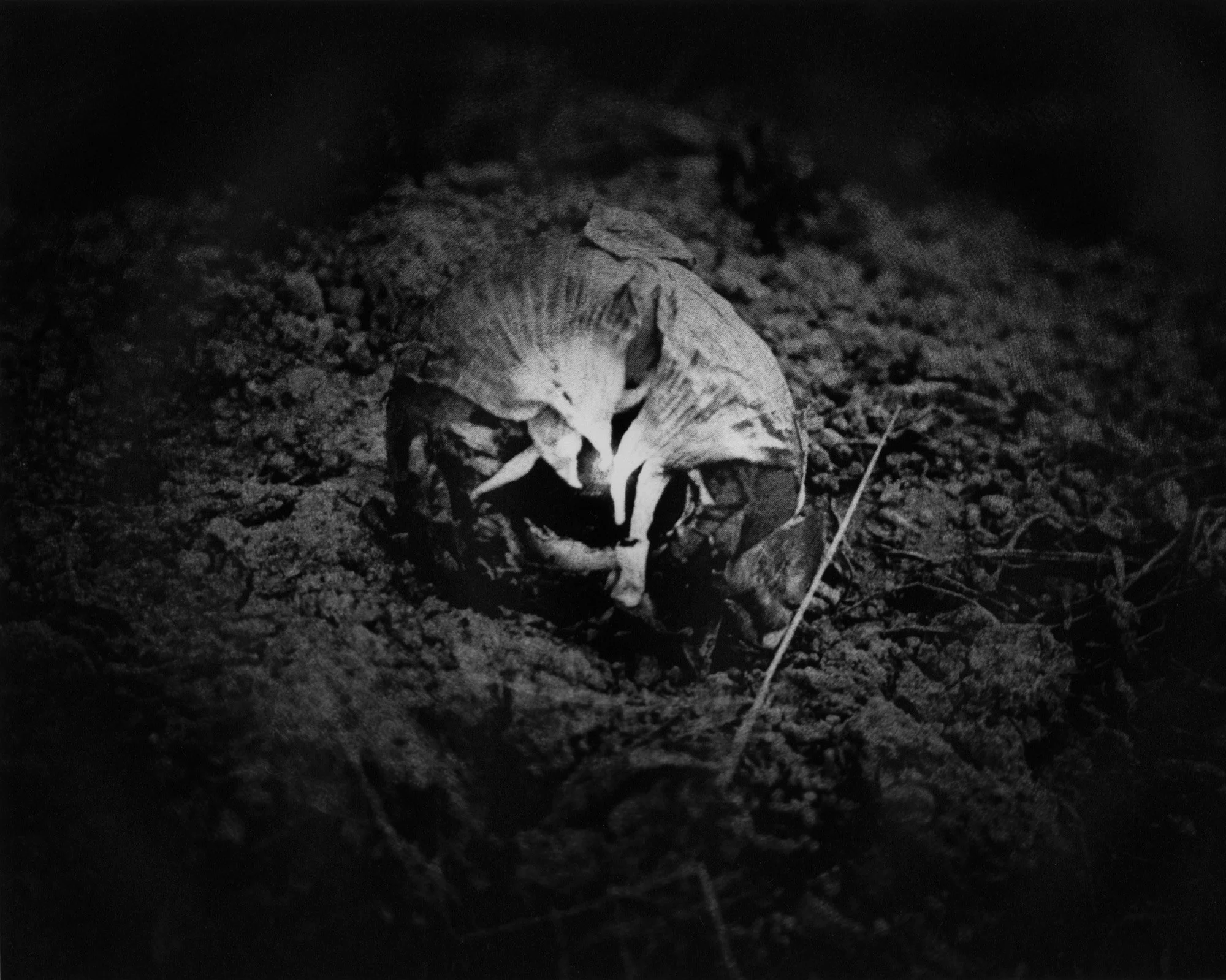
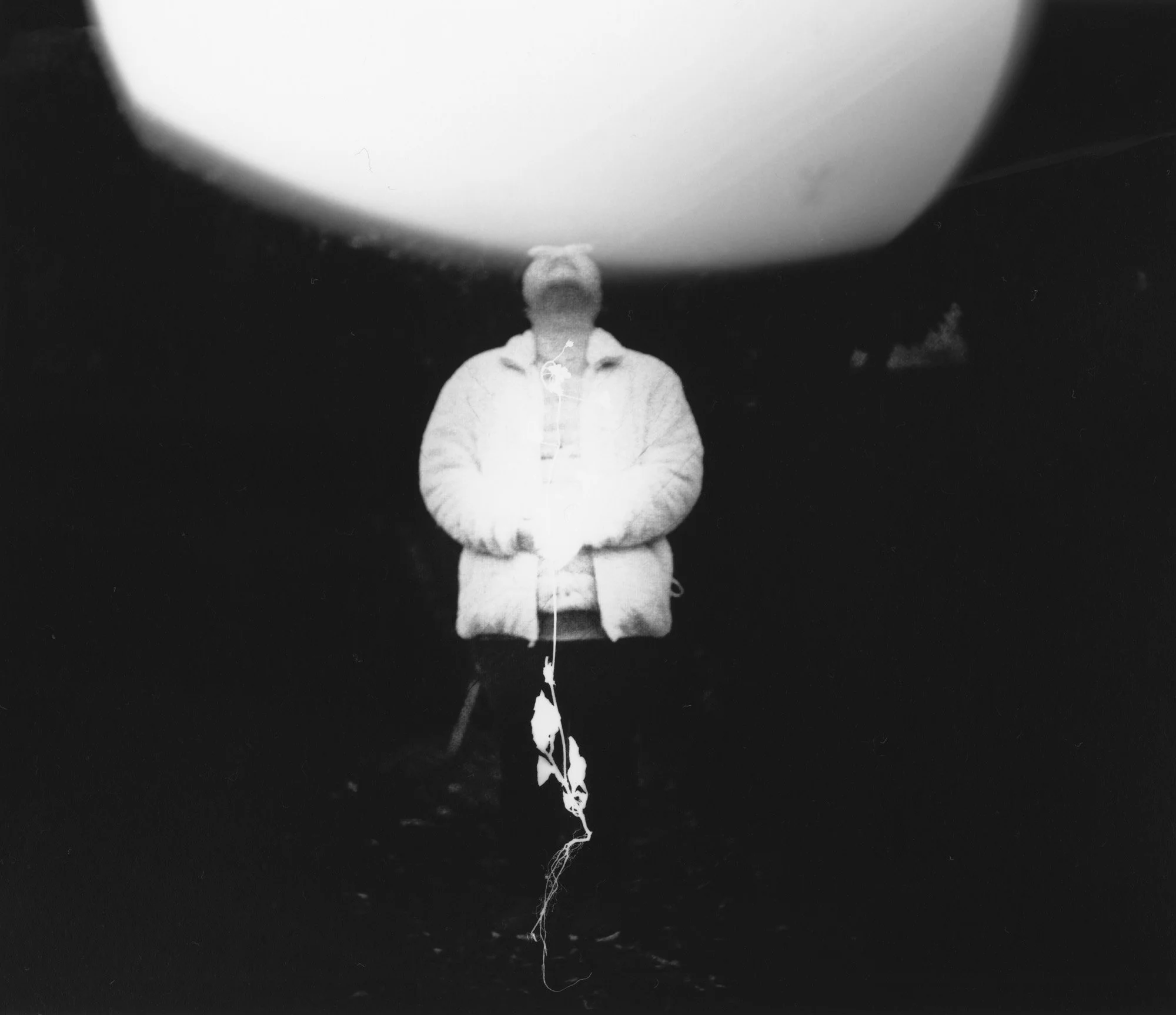
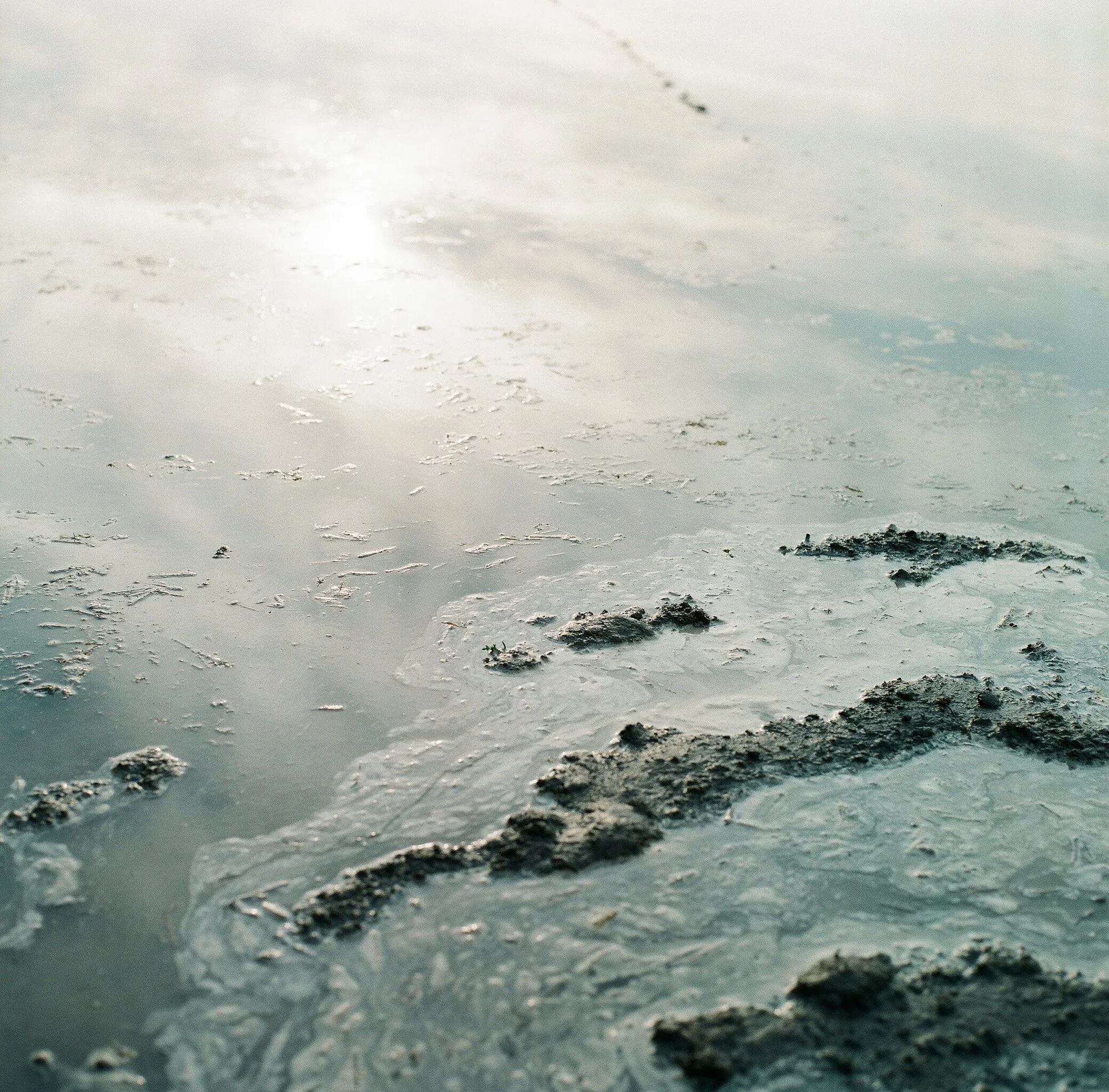
In the series I’m currently working on, I mostly use film cameras, primarily medium format and 35mm. I also sometimes use a projector to cast images and re-photograph them. I enjoy darkroom printing as well, which is an important part of my creative process. As for the role of technical skill, I believe it depends on what I’m making. Technical ability is a tool — its importance shifts according to the intention and direction of the work.
光の根 To The Light Of My Roots
WHAT IS THE STARTING POINT OF YOUR CREATIVE PROCESS?
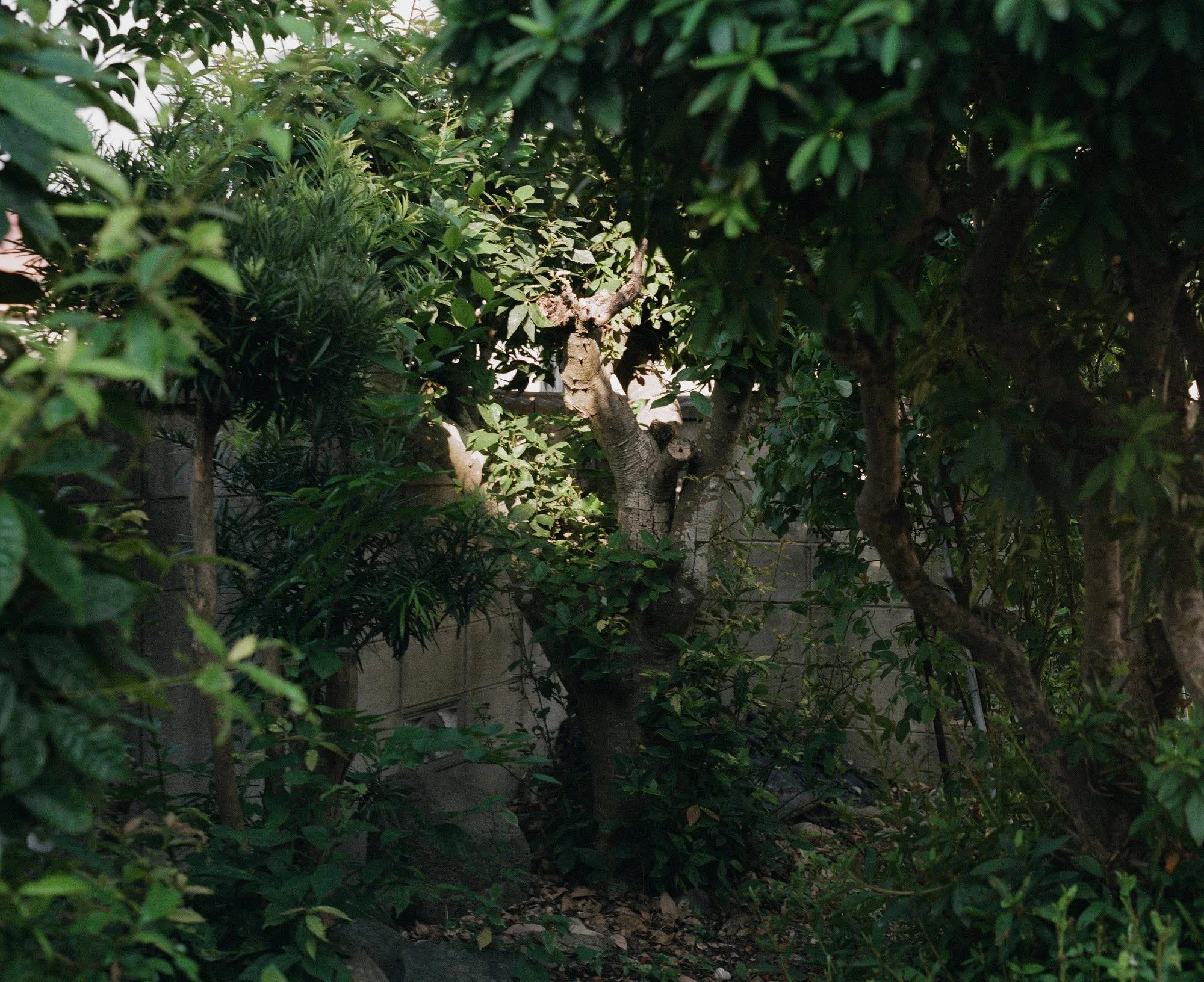
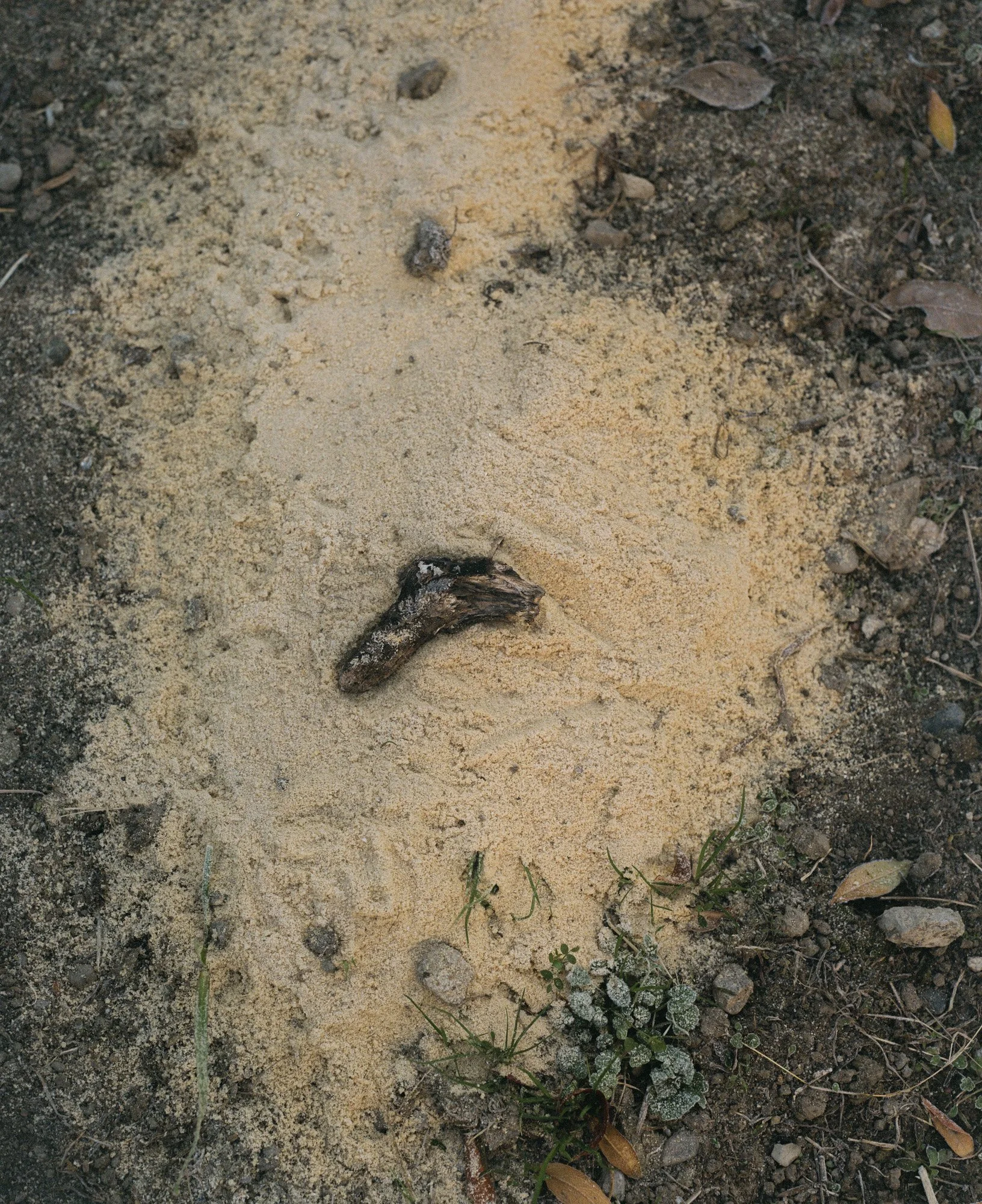
It always begins from something very personal. In my case, I started photography after the passing of my grandmother. That experience became a starting point for thinking about how to engage with the memories and sensations that remain within me—of my grandmother, my family, and the places connected to them—which continues to inform my practice today. At the same time, I feel that sensing what is invisible, and trying to reach those traces of memory, is itself my lived experience. Guided by that sensibility, I continue to trace what cannot be seen, exploring how images come into being and gradually take shape.
光の根 To The Light Of My Roots
HOW DO YOU DEFINE YOUR PHOTOGRAPHY WITH a #tag
I haven’t really thought about representing my photography with hashtags. Both my work and I change day by day, so I personally feel some hesitation about deliberately categorizing my work. Instead, I focus on the subject and the sensations of each moment as they come.
光の根 To The Light Of My Roots
at what point did you feel you were a photographer, and what made you think that way?
To be honest, there hasn’t been a single, clear moment when I felt, “I am a photographer.” Rather, through spending time engaging with what’s in front of me while taking photographs, I’ve gradually developed my own perspective and way of relating to the world. I feel that this accumulation of experiences has, in turn, shaped how I exist as a photographer.
光の根 To The Light Of My Roots
HOW DO YOU DEAL WITH REJECTION?
I see rejection or not being accepted as a matter of timing. What I need to do doesn’t change, so I try to face it at my own pace, accepting it as it comes.
光の根 To The Light Of My Roots
HOW DO YOU THINK YOU HAVE ACCOMPLISHED SUCH SUCCESS?
I feel that I still have a long way to go. However, with the support of many people I am currently working with, I have been able to create books and dedicate myself to my work. I believe it is important to keep learning and continue engaging with both my work and myself amidst the rapid changes in society.
光の根 To The Light Of My Roots
HOW DO YOU APPROACH STRANGERS IN YOUR PROJECTS OR TO INCLUDE IN YOUR PROJECTS?
When approaching people I don’t know for a project, I first try to build a certain level of trust. On that basis, I communicate what I want to do, while also exploring the best way to convey it. I make it a point to respect the other person’s situation and feelings.
光の根 To The Light Of My Roots
IS IT COMMON FOR YOU TO QUESTION YOURSELF OR YOUR PHOTOGRAPHY?
I am full of questions. But I feel it is important to face them every day, without letting the questions that arise slip away. I often find myself getting lost, taking detours, and going through trial and error—but I also enjoy that process. It feels like something that suits me.
光の根 To The Light Of My Roots
What does it mean to you to be a woman photographer? How has it affected your projects? And your approach to the art world/photo-book world?
To be honest, I don’t consciously think about being a “female photographer” while I’m working. I think of myself simply as an artist, responding to the world around me. At the same time, my experiences inevitably shape how I see, and that quietly finds its way into my work. So in the art and photobook world, I’m less interested in labels and more focused on staying honest to my own perspective.
光の根 To The Light Of My Roots
WHAT WOULD YOU SAY TO A NEW PHOTOGRAPHER WHO IS JUST STARTING OUT?
In today’s world, with conflicts and rapid social changes, I am deeply aware of the importance of reflection from my own perspective. The importance of engaging with myself and facing my own path is something I constantly remind myself of. For those just starting out in photography, I hope they can also value this process of trial and error while staying true to their own perspective.
ABOUT YUKA IWAHASHI
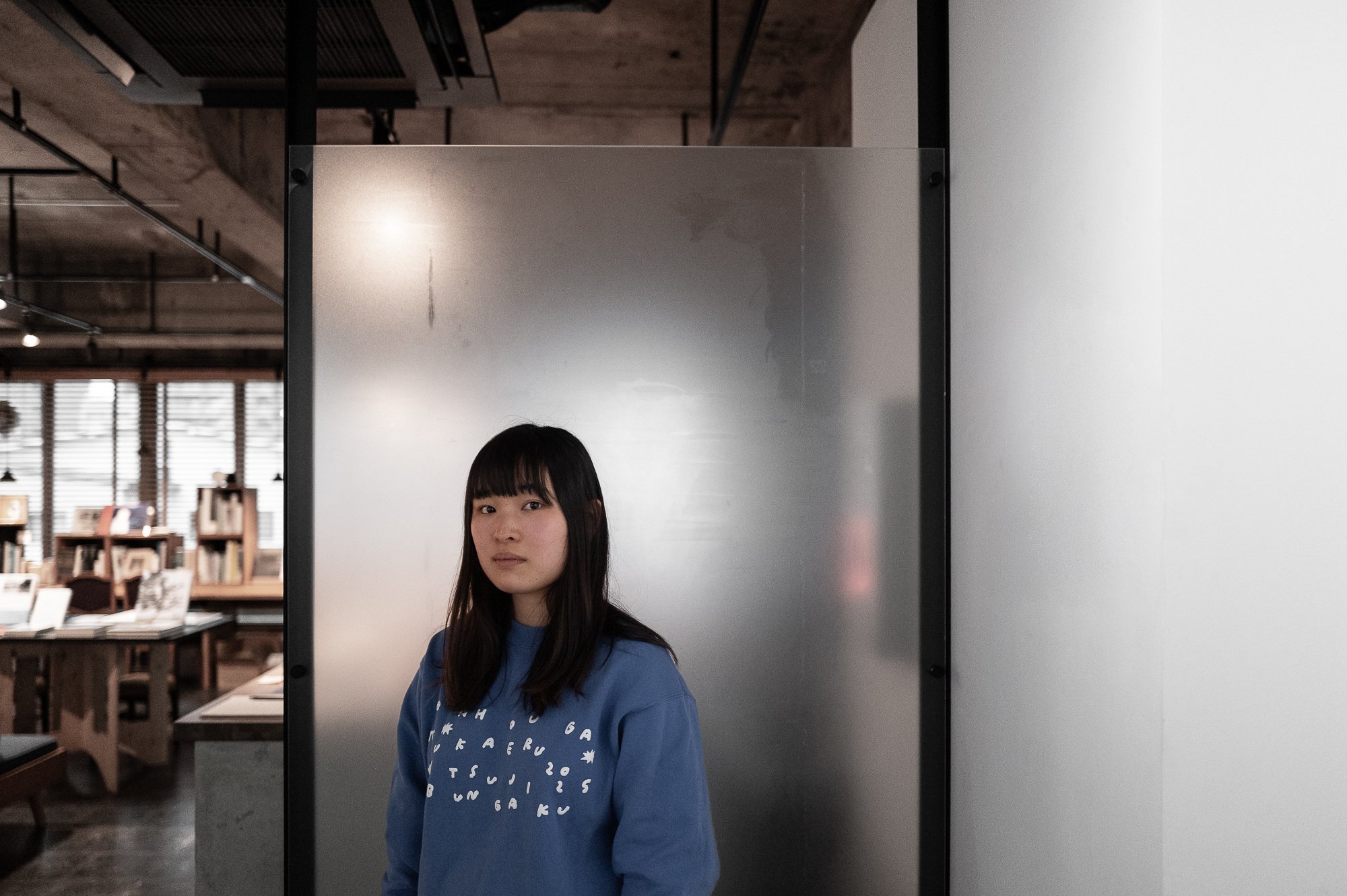
Born in 1997 in Wakayama, Japan. M.F.A., Arts Major, Photography and Image-making Field, Kyoto University of the Arts. Currently based in Kyoto and Wakayama.
For me, a photographed image is not merely a record; it is a site where multiple perspectives and sensations intersect and emerge. Directing my gaze toward another person is not simply an act of seeing them visually. Rather, it is an attempt to sense the subtle presences and layers of memory that dwell within them—an experience that simultaneously reflects back onto myself.
Guided by these sensitivities, I continue to explore how images come into being and take form, gently drawing closer to what lies beyond visibility.
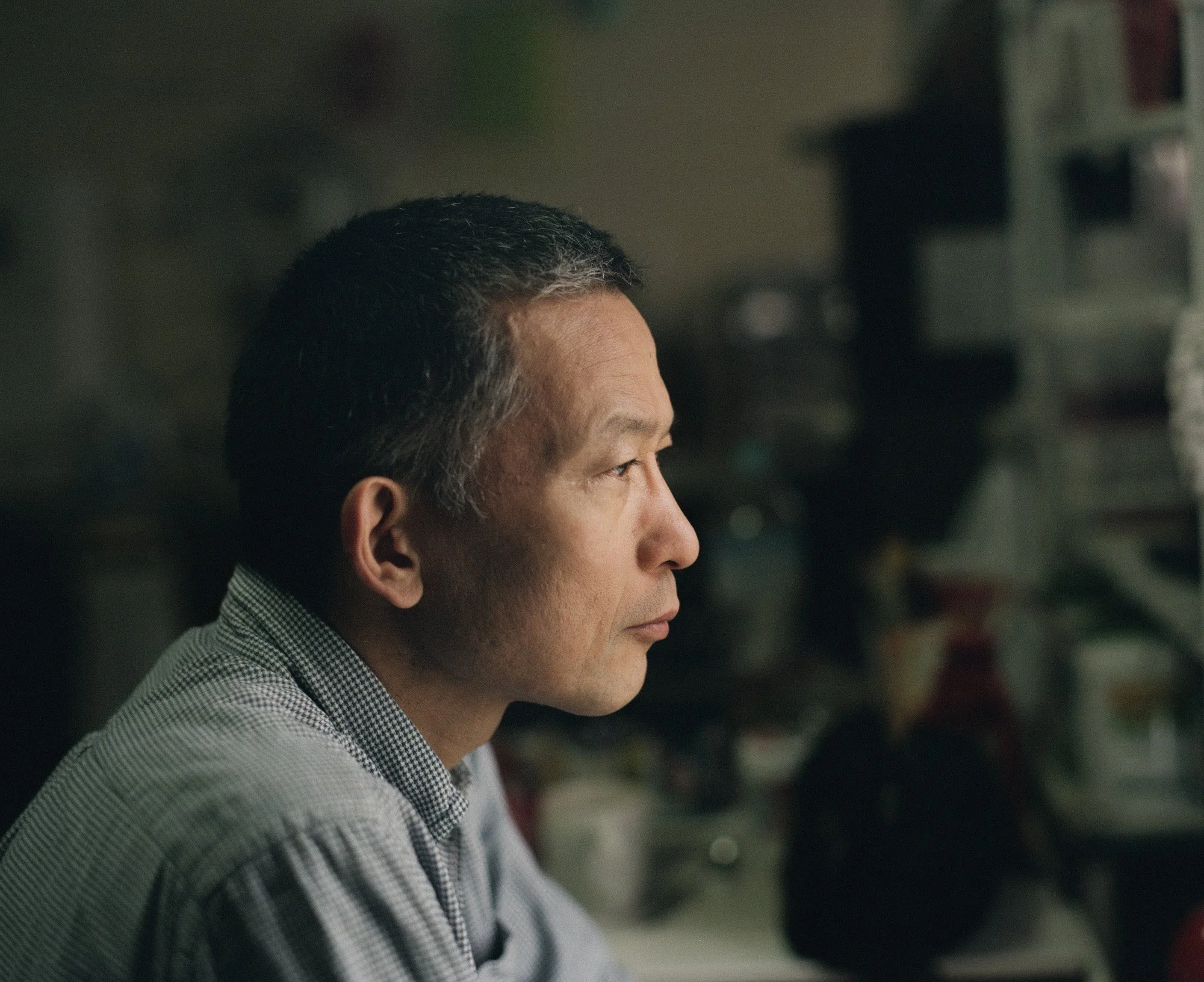
Photo by: Roberto Mata
